The Lexar Professional CFexpress Type B USB 3.2 Gen 2×2 Reader is the best Lexar card reader for USB-C devices, offering unparalleled speed for demanding workflows with transfer rates up to 20Gbps. This guide reviews top Lexar card readers, focusing on data transfer rates, card compatibility, and build quality to help users choose the ideal model for their modern USB-C laptops, tablets, and smartphones.
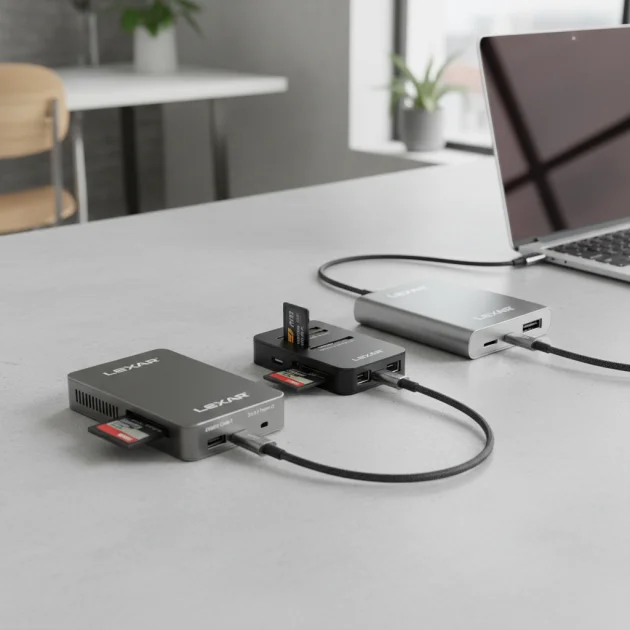
Quick Comparison of Lexar USB-C Card Readers
| Model | Card Types | Interface | Key Feature |
|---|---|---|---|
| Lexar Professional CFexpress Type B USB 3.2 Gen 2×2 Reader | CFexpress Type B | USB-C (USB 3.2 Gen 2×2) | Blazing fast 20Gbps transfer speeds |
| Lexar Professional Multi-Card 3-in-1 USB 3.1 Reader | SD, microSD, CompactFlash | USB-C (USB 3.1) | Versatile multi-card support |
| Lexar Professional USB-C Dual-Slot Reader | SD, microSD | USB-C (USB 3.1) | Simultaneous dual-slot reading |
What USB-C Devices Need from a Card Reader
USB-C devices, from ultrabooks to professional tablets, require specific features from a card reader to maximize efficiency. High-speed data transfer is crucial for large files like 4K video or high-resolution RAW images. A reader supporting USB 3.2 Gen 2×2 (20Gbps) or at least USB 3.1 Gen 2 (10Gbps) minimizes bottlenecks, enabling quick offloading and editing. Compatibility with various card formats is also vital; many professionals use a mix of SD, microSD, and CFexpress cards, so a multi-type reader reduces the need for multiple peripherals. Durability and portability are key considerations, ensuring the reader withstands travel and frequent use. Finally, a plug-and-play design without drivers enhances user convenience across different operating systems. For expert reviews reviews on this site.
Detailed Reviews of Lexar USB-C Card Readers
Lexar Professional CFexpress Type B USB 3.2 Gen 2×2 Reader
The Lexar Professional CFexpress Type B USB 3.2 Gen 2×2 Reader is engineered for extreme performance, making it ideal for professionals working with high-resolution video and photography. It supports CFexpress Type B cards and leverages the USB 3.2 Gen 2×2 interface to deliver transfer speeds up to 20Gbps. This allows large files, such as 8K RAW footage or massive photo bursts, to be offloaded in a fraction of the time. The reader features a compact, durable metal design that withstands the rigors of on-location shoots. Its USB-C connector ensures direct compatibility with modern laptops and desktops without adapters. Priced around $70, it is a significant investment for those prioritizing speed and efficiency. The included USB-C to USB-C cable is robust and provides a secure connection.
Lexar Professional Multi-Card 3-in-1 USB 3.1 Reader
The Lexar Professional Multi-Card 3-in-1 USB 3.1 Reader offers exceptional versatility for users who work with multiple memory card formats. This reader supports SD, microSD, and CompactFlash cards, making it a comprehensive solution for photographers and videographers using various cameras and drones. It utilizes the USB 3.1 interface, providing transfer speeds up to 5Gbps, which is ample for most everyday tasks and some professional workflows. The compact and portable design, with a retractable USB connector, makes it easy to carry. Its plug-and-play functionality ensures broad compatibility with USB-C devices running Windows, macOS, and Linux. Available for approximately $30, this reader provides excellent value for its multi-format support and reliable performance.
Lexar Professional USB-C Dual-Slot Reader
The Lexar Professional USB-C Dual-Slot Reader is designed for efficiency, allowing simultaneous reading from both SD and microSD cards. This feature benefits users who need to transfer data from multiple sources at once, such as drone footage from a microSD card and camera photos from an SD card. It connects via a USB-C interface, supporting USB 3.1 speeds up to 5Gbps, ensuring quick and efficient data transfers. The reader’s sleek, minimalist design is both functional and aesthetically pleasing, fitting well with modern USB-C devices. Its durable construction ensures longevity, even with frequent use. Priced around $25, it offers a cost-effective solution for dedicated dual-slot functionality without the added bulk of supporting less common card types. The reader is bus-powered, eliminating the need for an external power source.
Routine Fit for Lexar USB-C Card Readers
Integrating a Lexar card reader into your routine significantly streamlines data management, especially for content creators. For a professional photographer, the Lexar Professional CFexpress Type B USB 3.2 Gen 2×2 Reader is indispensable for quickly offloading hundreds of high-resolution RAW files. Videographers benefit from its speed when transferring large 4K or 8K video clips. Students and casual users juggling various devices like a drone, action camera, and smartphone will find the Lexar Professional Multi-Card 3-in-1 USB 3.1 Reader invaluable for its broad compatibility with SD, microSD, and CompactFlash cards. The Lexar Professional USB-C Dual-Slot Reader is perfect for those who frequently transfer data between an SD card from a mirrorless camera and a microSD card from a drone, enabling simultaneous transfers and saving precious time.
FAQs about Lexar USB-C Card Readers
What is the fastest Lexar card reader for USB-C?
The Lexar Professional CFexpress Type B USB 3.2 Gen 2×2 Reader is currently the fastest Lexar card reader for USB-C devices. It boasts an impressive transfer speed of up to 20Gbps, thanks to its USB 3.2 Gen 2×2 interface. This speed is crucial for professionals working with large CFexpress Type B files, such as high-bitrate video or rapid-fire RAW photo bursts.
Are Lexar card readers compatible with all USB-C devices?
Lexar card readers are generally compatible with most USB-C devices that support USB data transfer, including laptops, tablets, and some smartphones. However, performance varies based on the device’s USB version; for example, the 20Gbps speed of the CFexpress Type B reader requires a USB 3.2 Gen 2×2 compatible port. Most Lexar readers are plug-and-play, requiring no special drivers for Windows, macOS, or Linux.
Can Lexar card readers read multiple card types simultaneously?
Yes, some Lexar card readers are designed to read multiple card types simultaneously. The Lexar Professional USB-C Dual-Slot Reader, for instance, allows concurrent reading from both SD and microSD cards. This feature is highly convenient for users who need to transfer data from different sources at the same time, such as a camera’s SD card and a drone’s microSD card.
What is the difference between USB 3.1 and USB 3.2 Gen 2×2?
The primary difference lies in their maximum data transfer speeds. USB 3.1 Gen 1 offers speeds up to 5Gbps, while USB 3.1 Gen 2 provides up to 10Gbps. USB 3.2 Gen 2×2, on the other hand, doubles the lanes of USB 3.2 Gen 2, achieving an impressive maximum speed of 20Gbps. This higher speed is critical for handling extremely large files, such as those produced by high-end CFexpress cameras.
Are Lexar card readers durable for travel?
Lexar designs many of its professional-grade card readers with durability in mind, making them suitable for travel. Models like the Lexar Professional CFexpress Type B USB 3.2 Gen 2×2 Reader often feature robust metal casings that protect internal components from bumps and drops. The compact size of most Lexar readers also contributes to their portability, allowing them to be easily stowed in camera bags or laptop cases without taking up much space.
Verdict on Lexar USB-C Card Readers
For professionals demanding the absolute fastest data transfer, the Lexar Professional CFexpress Type B USB 3.2 Gen 2×2 Reader stands out as the premier choice for USB-C devices, with its 20Gbps speed for CFexpress Type B cards. For users needing broader compatibility across SD, microSD, and CompactFlash, the Lexar Professional Multi-Card 3-in-1 USB 3.1 Reader offers excellent versatility and value. Finally, the Lexar Professional USB-C Dual-Slot Reader provides efficient simultaneous transfers for SD and microSD cards. Each Lexar reader offers a reliable, high-performance solution tailored to specific user needs, ensuring seamless integration with modern USB-C workflows.
Frequently Asked Questions
What is the fastest Lexar card reader for USB-C?
The Lexar Professional CFexpress Type B USB 3.2 Gen 2x2 Reader is currently the fastest Lexar card reader for USB-C devices. It boasts an impressive transfer speed of up to 20Gbps, thanks to its USB 3.2 Gen 2x2 interface. This speed is crucial for professionals working with large CFexpress Type B files, such as high-bitrate video or rapid-fire RAW photo bursts.
Are Lexar card readers compatible with all USB-C devices?
Lexar card readers are generally compatible with most USB-C devices that support USB data transfer, including laptops, tablets, and some smartphones. However, performance varies based on the device's USB version; for example, the 20Gbps speed of the CFexpress Type B reader requires a USB 3.2 Gen 2x2 compatible port. Most Lexar readers are plug-and-play, requiring no special drivers for Windows, macOS, or Linux.
Can Lexar card readers read multiple card types simultaneously?
Yes, some Lexar card readers are designed to read multiple card types simultaneously. The Lexar Professional USB-C Dual-Slot Reader, for instance, allows concurrent reading from both SD and microSD cards. This feature is highly convenient for users who need to transfer data from different sources at the same time, such as a camera's SD card and a drone's microSD card.
What is the difference between USB 3.1 and USB 3.2 Gen 2x2?
The primary difference lies in their maximum data transfer speeds. USB 3.1 Gen 1 offers speeds up to 5Gbps, while USB 3.1 Gen 2 provides up to 10Gbps. USB 3.2 Gen 2x2, on the other hand, doubles the lanes of USB 3.2 Gen 2, achieving an impressive maximum speed of 20Gbps. This higher speed is critical for handling extremely large files, such as those produced by high-end CFexpress cameras.
Are Lexar card readers durable for travel?
Lexar designs many of its professional-grade card readers with durability in mind, making them suitable for travel. Models like the Lexar Professional CFexpress Type B USB 3.2 Gen 2x2 Reader often feature robust metal casings that protect internal components from bumps and drops. The compact size of most Lexar readers also contributes to their portability, allowing them to be easily stowed in camera bags or laptop cases without taking up much space.
Get our weekly buyer guide
Practical specs, not advice. Unsubscribe anytime.

I picked up the Lexar Professional USB-C Dual-Slot Reader mainly for its simultaneous dual-slot reading feature, which is super convenient. However, I’ve noticed it gets a little warm during extended transfers, which makes me a bit nervous. It still works fine, but I keep an eye on it.
I recently upgraded to the Lexar Professional CFexpress Type B USB 3.2 Gen 2×2 Reader, and it’s a game-changer for my video editing workflow. The 20Gbps transfer speed is no joke; I can offload huge files from my CFexpress cards in minutes, not hours. It’s built like a tank too, which is great for on-location shoots.
The Lexar Professional Multi-Card 3-in-1 USB 3.1 Reader has been a solid performer for me. I love that it handles SD, microSD, and CompactFlash all in one unit, which really declutters my desk. The transfer speeds are good enough for my photography needs, though I sometimes wish it was a bit faster for larger batches of RAW files.
This guide helped me choose the perfect Lexar card reader for my new MacBook Pro. I went with the Professional CFexpress Type B model, and the compatibility with USB-C devices is flawless. It’s exactly what I needed to keep up with my demanding data transfer rates.