In our rapidly evolving digital world, sleek designs and minimalist ports have become the norm for many of our favorite devices. While this trend often leads to beautiful aesthetics, it frequently comes at the cost of crucial features like built-in memory card slots. If you’ve found yourself staring at a full micro SD card, longing to transfer those precious photos or expand your device’s storage, a micro SD card reader Type C is your modern-day hero. This unassuming accessory bridges the gap, empowering your smartphones, tablets, and laptops to interact seamlessly with your valuable micro SD cards. It’s more than just a dongle; it’s a gateway to limitless possibilities for data management and digital freedom.
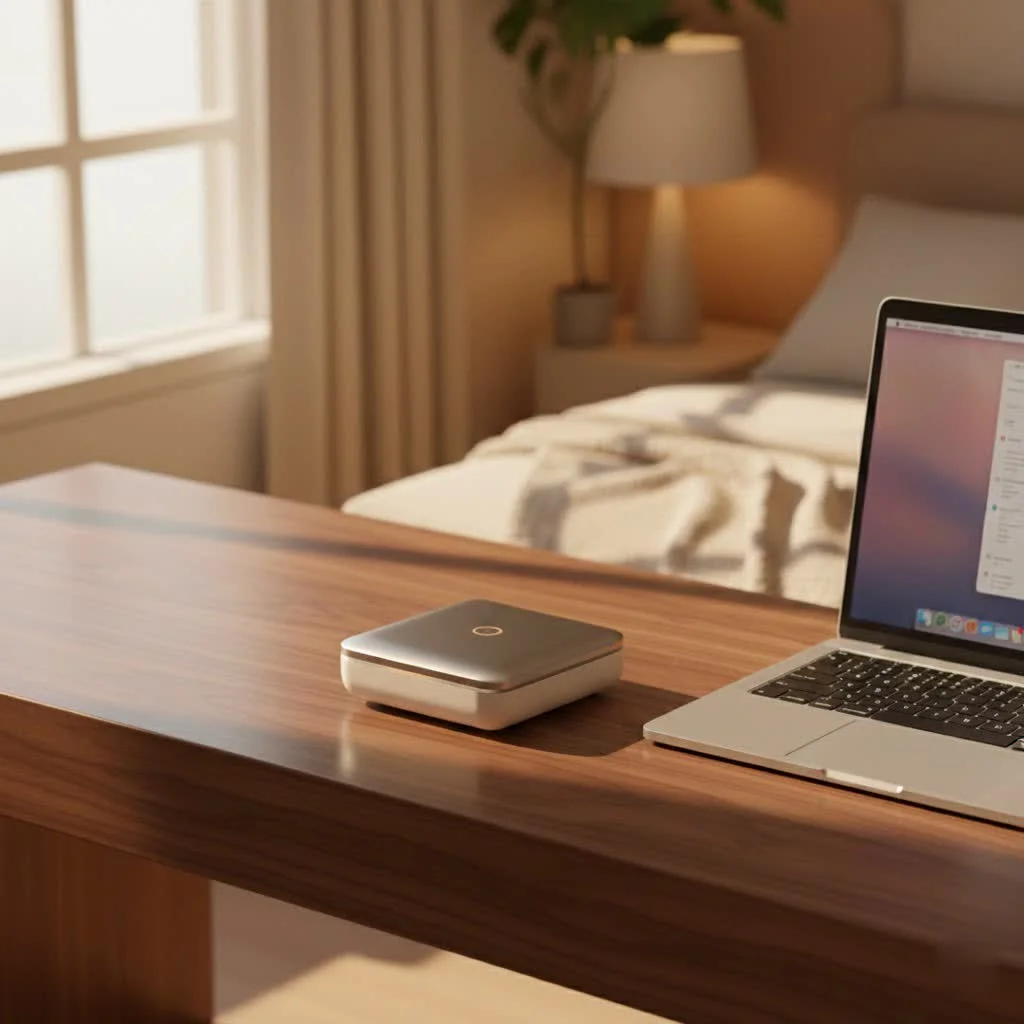
What Exactly is a Micro SD Card Reader Type C?
Simply put, a micro SD card reader Type C is a compact device that allows you to read and write data to and from a micro SD card using a USB-C port. Think of it as a universal translator for your memory cards, enabling devices like the latest MacBooks, Android phones, iPad Pros, and even many Windows laptops and Chromebooks to access data that would otherwise be inaccessible. With USB-C rapidly becoming the standard connector across all platforms, these readers are essential tools for anyone looking to manage external storage without the need for bulky adapters or outdated connections. They come in various forms, from tiny, direct-plug modules to those with short integrated cables, but their core function remains the same: making your micro SD cards universally compatible. For complete reviews library on this site.
The Undeniable Advantages: Why You Need One in Your Tech Arsenal
Having a reliable micro SD card reader Type C isn’t just about convenience; it’s about unlocking a new level of functionality for your devices.
Expand Your Storage on the Go
Many modern smartphones and tablets no longer offer expandable storage slots, and even some ultralight laptops have forgone them. A micro SD card reader Type C instantly transforms your device, allowing you to plug in a high-capacity micro SD card and gain gigabytes or even terabytes of additional storage for movies, music, apps, or documents. This is a game-changer for content consumption and creation, especially when you’re far from cloud storage or a stable internet connection.
Effortless Data Transfer
Imagine capturing a stunning 4K video on your drone or taking hundreds of high-resolution photos on your action camera. When it’s time to offload that data to your laptop or quickly share it on your phone, a micro SD card reader Type C makes the process a breeze. Instead of cumbersome wireless transfers or hunting for a device with an old-school SD slot, you simply insert your card and plug it into any USB-C port, facilitating swift and direct file transfers. It’s the fastest and most reliable way to move large files without compromising quality or waiting endlessly.
Universal Compatibility
|
Our Picks for the Best Card Reader in 2026
As an Amazon Associate I earn from qualifying purchases.
|
||
| Num | Product | Action |
|---|---|---|
| 1 | SD Card Reader for iPhone, Memory Card Reader with USB Camera Adapter Plug and Play Trail Game Camera Viewer Supports SD and TF Card MicroSD Card Adapter for iPad No App Required |

|
| 2 | UGREEN SD Card Reader USB 3.0 Card Hub Adapter 5Gbps Read 4 Cards Simultaneously CF, CFI, TF, SDXC, SDHC, SD, MMC, Micro SDXC, Micro SD, Micro SDHC, MS, UHS-I (Black) |
|
| 3 | Memory Card Reader, BENFEI 4in1 USB 3.0 and USB-C to SD Micro SD MS CF Card Reader Adapter, 4 Cards Simultaneously Read and Write, Compatible with iPhone 15 Series, MacBook Pro/Air 2023, and More |
|
| 4 | UGREEN SD Card Reader USB C, USB 3.0 Micro SD Card Reader 2 in 1 Memory Card Reader for MicroSD SDHC SDXC Compatible with PC Computer MacBook Laptop iPad iPhone 17 16 15 Pro/Pro Max |
|
| 5 | USB C SD Card Reader for iPhone 15/16/17/Mac/iPad,Dual Card Slot Memory Card Reader Supports SD and TF Card Trail Camera Viewer SD Card Adapter Portable Micro SD Card Reader No App Plug and Play |
|
| 6 | SAICOO Smart Card Reader DOD Military USB Common Access CAC Card Reader, Compatible with Mac OS, Win (Horizontal Version) |
|
| 7 | SmartQ C368 USB 3.0 Card Reader - Plug & Play, Compatible with Apple & Windows, Supports SD, Micro SD, MS, CF Cards |
|
| 8 | USB3.0 Micro SD Card Reader, 5Gbps 2-in-1 SD Card Reader to USB Adapter, Wansurs Memory Card Reader for SDXC, SDHC, MMC, RS-MMC, Micro SDXC, Micro SD, Micro SDHC and UHS-I Cards (1Pack Black) |
|
| 9 | Anker USB C Hub (7-in-1), with 4K HDMI, 85W Power Delivery, USB-C and 2 USB-A 5Gbps Data Ports, microSD and SD Card Reader, for MacBook Air, MacBook Pro, XPS, and More |
|
| 10 | USB C USB3.0 Multi Card Reader for SD, CF, Micro SD, XD, MS Cards - 7 in 1 Adapter Hub for Windows, Mac, Linux, Android |
|
One of the greatest strengths of USB-C is its universal nature. A single micro SD card reader Type C can often work across an impressive array of devices and operating systems – be it an Android smartphone, an iPad Pro, a macOS laptop, a Windows PC, or a ChromeOS tablet. This means you only need one accessory to manage your memory cards across your entire digital ecosystem, simplifying your tech setup and reducing clutter. No more specific readers for specific devices; true plug-and-play functionality is here.
Portability and Convenience
These card readers are typically designed to be incredibly small and lightweight, often no larger than a USB flash drive. This makes them perfectly suited for a mobile lifestyle. Whether you’re a globetrotting photographer, a student on campus, or a remote worker, you can easily slip one into your pocket, camera bag, or laptop sleeve. Their compact form factor ensures that you always have access to your memory card data, regardless of where your adventures take you.
Choosing Your Perfect Micro SD Card Reader Type C: Key Factors to Consider
With a myriad of options available, selecting the right micro SD card reader Type C can seem daunting. Here’s what to keep in mind to make an informed choice that truly meets your needs.
Speed Matters: USB Standards
The speed at which your card reader transfers data is paramount, especially if you deal with large files or high-resolution media. This largely depends on the USB standard it supports:
- USB 3.0 (also known as USB 3.1 Gen 1 or USB 3.2 Gen 1): Offers speeds up to 5 Gigabits per second (Gbps). This is a solid baseline for most users and significantly faster than older USB 2.0.
- USB 3.1 (also known as USB 3.2 Gen 2): Kicks things up a notch with speeds up to 10 Gbps. Ideal for professionals who demand quicker transfers for massive files.
- USB 4.0: The latest and fastest, capable of up to 40 Gbps, though devices and readers supporting this speed are still emerging and typically more expensive.
Why avoid USB 2.0? While inexpensive, USB 2.0 (480 Megabits per second) is drastically slower and will bottleneck even moderately fast micro SD cards. Always opt for at least USB 3.0 or higher to future-proof your investment and ensure efficient transfers. Additionally, look for readers compatible with UHS-I and UHS-II micro SD cards, which represent different speed classes of the cards themselves. A good reader won’t limit the potential of a high-speed card.
Card Compatibility: Beyond Micro SD
While the primary focus is on micro SD cards, many readers offer additional slots for full-sized SD cards. Some advanced models may even include slots for CompactFlash (CF) or CFexpress cards, catering to professional photographers and videographers who use these larger formats. Consider if you need a reader with:
- Dual Slots: Many readers provide both micro SD and standard SD card slots. Some allow simultaneous reading, meaning you can access both cards at once, while others only support one active slot at a time.
- Single Slot: Simpler, more compact readers might only have a micro SD slot. This is perfectly fine if that’s all you need.
Form Factor and Design
Micro SD card readers Type C come in various physical designs, each with its own advantages:
- Compact Dongle: These plug directly into your USB-C port, offering maximum portability and minimal fuss. They’re great for on-the-go use but can sometimes block adjacent ports depending on your device’s layout.
- Wired Reader: Featuring a short integrated cable, these offer more flexibility as they won’t obstruct other ports and can be positioned more freely. They might be slightly less compact than direct dongles but offer enhanced usability.
- Multi-Port Hubs: Some USB-C hubs integrate a card reader along with other ports like USB-A, HDMI, or Ethernet. These are excellent if you need to expand your device’s connectivity significantly, effectively turning one USB-C port into a versatile workstation.
Also, consider the material. Aluminum casings often provide better durability and heat dissipation compared to plastic, which is especially beneficial during long transfer sessions. Some readers even feature a dual-connector design, including both USB-C and USB-A, offering incredible versatility for use with older devices that only have traditional USB ports.
Brand Reputation and Reliability
Investing in a product from a reputable brand can save you headaches down the line. Brands like Anker, Lexar, SanDisk, Unitek, and Ugreen are well-regarded in the card reader space, known for their performance, build quality, and customer support. Checking reviews and considering manufacturers with a proven track record is always a wise move.
How to Use Your Micro SD Card Reader Type C (It’s Simpler Than You Think!)
One of the best aspects of modern micro SD card readers Type C is their plug-and-play nature. You typically won’t need to install any special drivers or software; your device should recognize it instantly. Here’s a quick guide to getting started, particularly with an Android device, which applies broadly to other operating systems too:
- Insert Your Micro SD Card: Carefully slide your micro SD card into the designated slot on the card reader. Ensure it’s fully seated and oriented correctly.
- Plug into Your Device: Connect the USB-C end of the card reader into an available USB-C port on your smartphone, tablet, or laptop.
- Access Your Files: On an Android phone, you’ll usually see a notification indicating a “USB storage” device has been connected. Tap on this or open your device’s file manager (e.g., “Files” by Google, “My Files” on Samsung). You should see the micro SD card listed as an external storage device, often labeled “USB storage” or similar.
- Transfer Data: Navigate through the folders on your micro SD card. You can copy, move, or delete files just as you would with internal storage. To transfer files to your device, select them, choose “Copy” or “Move,” and then paste them into your desired internal storage location.
- Safely Eject: Before physically disconnecting the card reader, it’s crucial to “eject” or “unmount” it from your device’s software. On Android, this is usually done through the notification panel or in the Storage settings. This prevents data corruption. Once safely unmounted, you can remove the card reader.
It’s truly that straightforward! The process is largely intuitive across Windows and macOS as well, with the card reader appearing as a removable drive on your desktop or in your file explorer.
Real-World Scenarios: Who Benefits Most?
A micro SD card reader Type C isn’t just a niche gadget; it’s a versatile tool that enhances the digital experience for a wide range of users.
- Photographers and Videographers: If you shoot with a drone, action camera, or even a mirrorless camera that uses micro SD cards (often via an SD adapter), these readers are indispensable. They allow for rapid transfer of high-resolution photos and 4K/8K videos to laptops or even directly to an iPad Pro for on-the-go editing and sharing.
- Students and Professionals: For those constantly shuttling documents, presentations, or project files between devices, a card reader offers a fast and secure alternative to cloud services or email attachments, especially when working offline. It’s perfect for backing up important data from one device to another without a network connection.
- Travelers and Adventurers: Whether you’re capturing breathtaking landscapes with a GoPro or storing maps for an off-grid expedition, a compact micro SD card reader Type C lets you quickly offload media, free up space, and access essential files from your mobile device, even in remote locations.
- Everyday Users: Simply want to expand your smartphone’s storage for more games, movies, or podcasts? Or perhaps you need to transfer old photos from a forgotten micro SD card to your new laptop? This reader makes these everyday tasks effortless, giving you greater control over your digital content.
Expert Insight: “The Future is USB-C”
“In my fifteen years working with card reader technologies, I’ve seen countless trends come and go, but the move towards USB-C is a permanent shift,” says Dr. Elara Vance, Umaoc’s Lead Card Reader Analyst. “The versatility, speed, and compact design of USB-C make it the ideal interface for peripherals like micro SD card readers. Investing in a quality USB-C reader now ensures compatibility with virtually all your future devices, making it one of the smartest tech investments you can make for seamless data management and device empowerment.”
Frequently Asked Questions (FAQ)
Q: Can I use a micro SD card reader Type C with my new iPhone?
A: Yes, if your iPhone model features a USB-C port (like the iPhone 15 series and newer), you can absolutely use a micro SD card reader Type C to transfer files. Older iPhones with Lightning ports would require a different type of adapter.
Q: Do I need to install any drivers to use a micro SD card reader Type C?
A: In most cases, no. Modern operating systems like Windows, macOS, Android, and ChromeOS offer native support for USB mass storage devices, meaning the card reader will typically be recognized automatically as a plug-and-play device.
Q: What’s the fastest type of micro SD card reader Type C I can get?
A: The fastest readers will support the latest USB standards (e.g., USB 3.2 Gen 2 or USB 4.0) and be optimized for high-speed micro SD cards (UHS-II). Look for readers that explicitly state their maximum transfer speeds in Gbps and compatibility with high-speed card standards.
Q: Can I use a micro SD card reader Type C to boot an operating system?
A: While technically possible with some devices and specific bootable micro SD cards, it’s not the primary intended use of most consumer-grade card readers. The device you’re trying to boot from would need to support booting from an external USB-C device.
Q: Can these readers handle both micro SD and full-size SD cards simultaneously?
A: Many dual-slot micro SD card readers Type C can indeed read both card types at the same time, allowing you to transfer data between them or access both simultaneously on your device. However, some models only allow one slot to be active at a given moment, so always check the product specifications.
Conclusion
In a world increasingly dominated by USB-C, a micro SD card reader Type C is an indispensable tool for anyone who values flexible storage and efficient data transfer. It’s a small investment that delivers huge returns in convenience, compatibility, and capability, ensuring that your precious memories and important files are always accessible, no matter which modern device you’re using. By understanding the key features and choosing wisely, you empower your digital life, turning your streamlined gadgets into versatile powerhouses. At Umaoc, we believe in making complex technology simple and accessible, and a good micro SD card reader Type C embodies that philosophy perfectly, helping you confidently navigate your digital world.
Get our weekly buyer guide
Practical specs, not advice. Unsubscribe anytime.