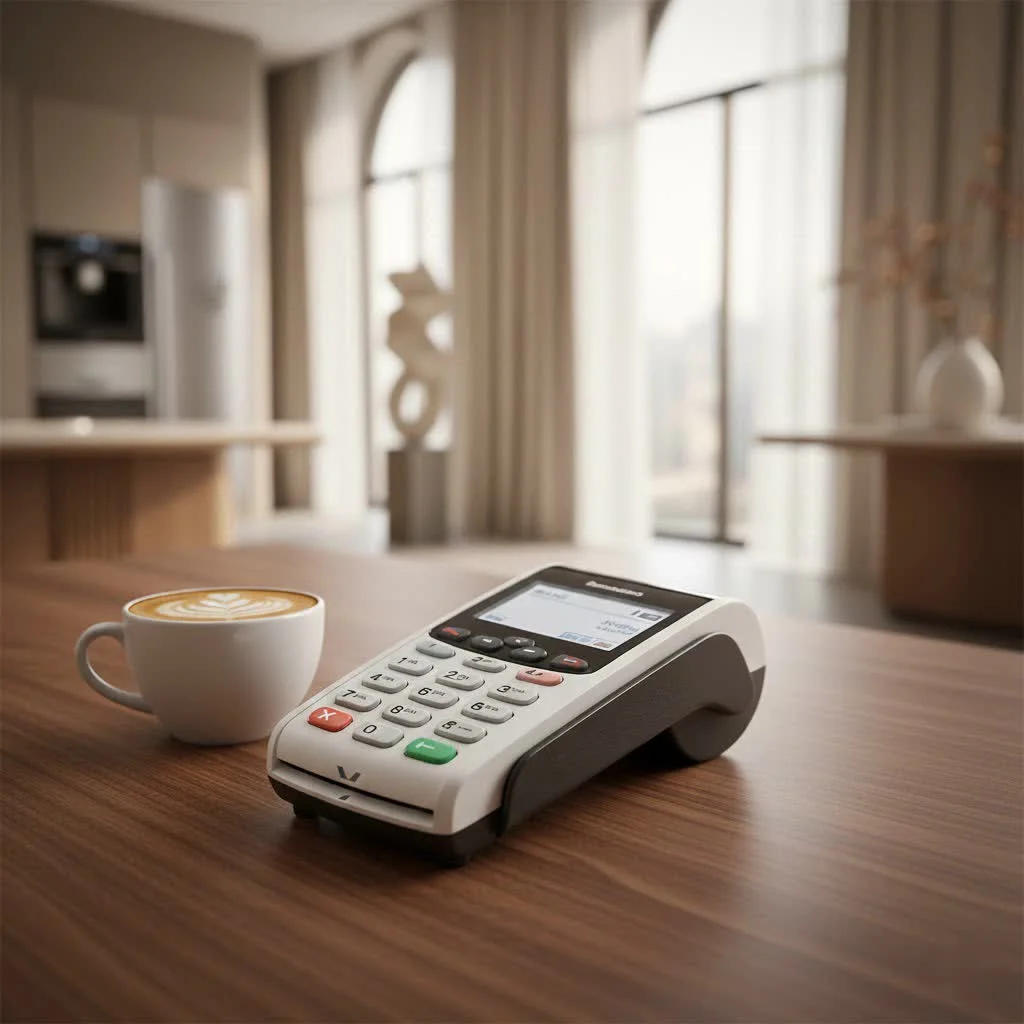
A phone credit card reader transforms your smartphone or tablet into a portable payment processing hub, enabling businesses to accept credit and debit card payments on the go. These devices eliminate the need for bulky, fixed terminals, offering unparalleled flexibility for transactions outside traditional storefronts. For example, a Square Reader allows a small business owner to accept EMV chip and contactless payments at a pop-up market using just their phone.
Having spent over 15 years immersed in the intricacies of card reader technology, I’ve witnessed firsthand how mobile payment solutions have revolutionized how we do business. They’ve democratized payment acceptance, empowering countless entrepreneurs to grow their ventures with unprecedented flexibility. At Umaoc.com, we believe that informed choices lead to confident operations, and that’s precisely what we aim to deliver with this comprehensive guide to phone credit card readers.
What Exactly is a Phone Credit Card Reader?
At its core, a phone credit card reader is a device or application that enables your mobile phone or tablet to accept credit and debit card payments. Think of it as a miniature point-of-sale (POS) system that fits right in your pocket. These readers eliminate the need for expensive, fixed terminals, providing unparalleled flexibility for businesses that operate outside a traditional storefront.
There are primarily two main categories:
- Physical Card Readers: These are small hardware devices that connect to your phone.
- Plug-in Readers: These often connect via your phone’s audio jack or charging port and are typically designed for magstripe (swipe) cards or EMV (chip) cards.
- Wireless Readers (Bluetooth/NFC): More advanced and common today, these connect wirelessly via Bluetooth and can accept EMV chip cards, contactless (tap) payments, and mobile wallets like Apple Pay and Google Pay.
- App-Based Solutions (“Tap to Pay”): The latest innovation allows your smartphone itself to become the card reader, using its built-in NFC technology to accept contactless payments directly, without any additional hardware. Some apps also offer the ability to scan card details using your phone’s camera, though this method is less common for security reasons.
|
Our Picks for the Best Card Reader in 2026
As an Amazon Associate I earn from qualifying purchases.
|
||
| Num | Product | Action |
|---|---|---|
| 1 | SAICOO Smart Card Reader DOD Military USB Common Access CAC Card Reader, Compatible with Mac OS, Win (Horizontal Version) |

|
| 2 | SmartQ C368 USB 3.0 Card Reader - Plug & Play, Compatible with Apple & Windows, Supports SD, Micro SD, MS, CF Cards |
|
| 3 | USB C SD Card Reader for iPhone 15/16/17/Mac/iPad,Dual Card Slot Memory Card Reader Supports SD and TF Card Trail Camera Viewer SD Card Adapter Portable Micro SD Card Reader No App Plug and Play |
|
| 4 | Memory Card Reader, BENFEI 4in1 USB 3.0 and USB-C to SD Micro SD MS CF Card Reader Adapter, 4 Cards Simultaneously Read and Write, Compatible with iPhone 15 Series, MacBook Pro/Air 2023, and More |
|
| 5 | UGREEN SD Card Reader USB C, USB 3.0 Micro SD Card Reader 2 in 1 Memory Card Reader for MicroSD SDHC SDXC Compatible with PC Computer MacBook Laptop iPad iPhone 17 16 15 Pro/Pro Max |
|
| 6 | USB3.0 Micro SD Card Reader, 5Gbps 2-in-1 SD Card Reader to USB Adapter, Wansurs Memory Card Reader for SDXC, SDHC, MMC, RS-MMC, Micro SDXC, Micro SD, Micro SDHC and UHS-I Cards (1Pack Black) |
|
| 7 | USB C USB3.0 Multi Card Reader for SD, CF, Micro SD, XD, MS Cards - 7 in 1 Adapter Hub for Windows, Mac, Linux, Android |
|
| 8 | UGREEN SD Card Reader USB 3.0 Card Hub Adapter 5Gbps Read 4 Cards Simultaneously CF, CFI, TF, SDXC, SDHC, SD, MMC, Micro SDXC, Micro SD, Micro SDHC, MS, UHS-I (Black) |
|
| 9 | Anker USB C Hub (7-in-1), with 4K HDMI, 85W Power Delivery, USB-C and 2 USB-A 5Gbps Data Ports, microSD and SD Card Reader, for MacBook Air, MacBook Pro, XPS, and More |
|
| 10 | SD Card Reader for iPhone, Memory Card Reader with USB Camera Adapter Plug and Play Trail Game Camera Viewer Supports SD and TF Card MicroSD Card Adapter for iPad No App Required |
|
Why Your Business Needs a Phone Credit Card Reader
The advantages of integrating a phone credit card reader into your business operations are profound and far-reaching. They’re not just about processing payments; they’re about enhancing efficiency, expanding reach, and improving customer experience.
The Power of Portability: Accept Payments Anywhere
One of the most compelling reasons to embrace a mobile credit card reader is the freedom it offers. Imagine selling handmade crafts at a bustling farmers market, taking payment for a plumbing service at a client’s home, or managing a food truck during a festival. A phone credit card reader means you’re no longer tethered to a physical location. All you need is your smartphone and a cellular or Wi-Fi connection, and you’re ready to complete transactions. This unparalleled portability opens up new sales channels and allows you to meet your customers where they are.
Boosting Sales and Customer Satisfaction
In today’s cashless society, customers expect to pay with cards. Relying solely on cash or checks can mean lost sales and frustrated customers. By accepting various payment methods, including credit and debit cards and popular mobile wallets, you cater to consumer preferences and significantly increase your potential for sales. The speed and convenience of a quick tap or swipe make the checkout process smooth and enjoyable, leaving customers with a positive impression of your business. “In my experience, the easier you make it for customers to pay, the more likely they are to buy and return,” shares expert Anya Sharma, a seasoned payment solutions consultant. “Mobile card readers are a key enabler of that seamless experience.”
Streamlined Operations and Better Financial Tracking
Beyond just accepting payments, phone credit card readers, especially those integrated with robust mobile POS (mPOS) systems, simplify your entire operation. They reduce the need for carrying large amounts of cash, minimizing theft risk and trips to the bank. Moreover, these systems automatically record transactions, simplifying bookkeeping and providing immediate access to sales data. This real-time insight allows you to make more informed business decisions, track trends, and manage your finances with greater accuracy.
Seamless Integration with Business Tools
Many phone credit card reader solutions are part of a larger ecosystem of business tools. They often integrate seamlessly with inventory management systems, allowing you to track stock levels as sales occur. Customer relationship management (CRM) features help you build customer profiles, manage loyalty programs, and personalize marketing efforts. This holistic approach means your payment solution isn’t just a transaction tool; it’s an integral part of your overall business management strategy.
How Do Phone Credit Card Readers Work Their Magic?
The technology behind phone credit card readers is surprisingly sophisticated, designed for both speed and ironclad security. Understanding the mechanics helps you appreciate the seamless experience they provide.
The Technology Behind the Tap
When you use a phone credit card reader, several key technologies come into play:
- EMV Chip Technology: This is the global standard for card payments. When an EMV chip card is inserted (“dipped”) into a reader, the chip generates a unique, one-time cryptogram for each transaction. This dynamic data makes it incredibly difficult for fraudsters to clone cards or use stolen card information.
- Near Field Communication (NFC): This technology powers contactless payments. When you “tap” a card or mobile device (like a smartphone with Apple Pay or Google Pay) near an NFC-enabled reader, a short-range radio signal facilitates the secure exchange of payment information. NFC payments are renowned for their speed and security.
- Magnetic Stripe (Magstripe): While less secure and slowly being phased out, some readers still support magstripe cards, which involve swiping the card through a slot to read the data stored on the magnetic strip.
Fort Knox Security: Encryption and Tokenization
Security is paramount when handling sensitive financial data, and phone credit card readers are built with multiple layers of protection:
- Encryption: From the moment a card is swiped, dipped, or tapped, the payment data is immediately encrypted. This scrambles the information, making it unreadable to unauthorized parties.
- Tokenization: This is a crucial security measure. Instead of transmitting your actual credit card number, the system replaces it with a unique, randomly generated “token” for each transaction. Even if a hacker were to intercept this token, it would be useless to them because it doesn’t contain your real card details and is typically valid for only one use.
- Biometrics and Device-Specific Cryptograms: Mobile wallets like Apple Pay and Google Pay add an extra layer of security by requiring biometric authentication (fingerprint or facial recognition) on the user’s phone. Furthermore, device-specific cryptograms ensure that the payment originated from the legitimate customer’s device, preventing fraudulent use even if the data were somehow compromised.
From Tap to Transaction: The Authorization Process
Here’s a simplified look at what happens behind the scenes in milliseconds:
- Card Interaction: The reader captures payment data from the card’s chip, magnetic stripe, or NFC antenna.
- Data Encryption & Tokenization: The reader or the mobile payment app immediately encrypts this data and tokenizes sensitive information.
- Network Transmission: The encrypted data travels securely over your internet connection (Wi-Fi or cellular data) to the payment processor.
- Authorization Request: The payment processor sends the request to the card networks (e.g., Visa, Mastercard), which then forward it to the customer’s bank (the issuing bank).
- Verification: The issuing bank verifies the card’s legitimacy and checks for sufficient funds or credit.
- Authorization Response: The bank sends an approval or denial back through the card networks and payment processor to your phone credit card reader.
- Transaction Completion: Your device receives the response, and the transaction is either approved or declined, usually in a matter of seconds.
Choosing the Right Phone Credit Card Reader for Your Needs
With a plethora of options available, selecting the ideal phone credit card reader can seem daunting. As an expert from Umaoc, my advice is always to align the technology with your unique business requirements.
Essential Factors to Consider
-
Connectivity:
- Bluetooth: Most modern wireless readers use Bluetooth for a stable and convenient connection.
- Audio Jack/Dongle: Simpler, often cheaper readers that plug directly into your phone. These are typically limited to magstripe or basic chip reading.
- Standalone: Some advanced mobile POS systems offer all-in-one devices that function without needing to connect to your phone for every transaction.
-
Supported Payment Types:
- Swipe (Magstripe): Still accepted but declining in use due to lower security.
- Chip (EMV): Essential for fraud protection and widely adopted.
- Tap (NFC/Contactless): Fast, secure, and increasingly preferred by customers using cards or mobile wallets. Ensure your chosen reader supports NFC for future-proofing.
-
Pricing and Fees:
- Upfront Cost: Some readers are free, especially with a new merchant account, while others can cost anywhere from $10 to $100+.
- Transaction Fees: This is where providers vary significantly. You’ll typically encounter a flat rate per transaction (e.g., 2.6% + $0.10) or interchange-plus pricing (a percentage plus a fixed fee on top of the interchange fee). Always read the fine print!
- Monthly Fees: Some services have a monthly subscription, while others are “pay-as-you-go.” Consider your transaction volume when evaluating these.
-
Software Features:
- POS Functionality: Does the accompanying app offer robust point-of-sale features like inventory management, sales reporting, customer management, and employee permissions?
- Invoicing: Can you send digital invoices directly from the app?
- Integrations: Does it integrate with your existing accounting software (like QuickBooks), e-commerce platform (like Shopify), or CRM?
-
Compatibility:
- Ensure the reader and its app are compatible with your specific smartphone or tablet model and operating system (iOS or Android).
-
Customer Support & Reliability:
- Check reviews for reliability during peak hours, ease of setup, and responsiveness of customer support. A glitchy reader or unresponsive support can be a nightmare during a busy sales day.
Top Players in the Market
While Umaoc.com doesn’t endorse specific brands, several providers consistently stand out for their robust phone credit card reader solutions:
- Square: Often lauded for its ease of use, free reader options (for magstripe), and comprehensive free POS app, making it a popular choice for new and small businesses.
- Clover Go: Known for its customizable hardware and features that go beyond basic payment acceptance, ideal for service-based businesses.
- Shopify Tap & Chip Card Reader: Excellent for businesses that have an existing Shopify online store and want to integrate in-person sales seamlessly.
- QuickBooks Chip and Magstripe Card Reader: A natural fit for businesses already using QuickBooks for their accounting needs.
- PayPal Zettle: Offers competitive transaction fees and a straightforward setup, backed by the trusted PayPal brand.
- SumUp: Often praised for its affordability, especially for Apple users, with transparent, flat-rate pricing.
Each of these platforms offers unique advantages, and the “best” choice truly depends on your specific operational needs and budget.
Ensuring Security with Your Mobile Card Reader
While phone credit card readers are designed with security in mind, maintaining best practices is crucial to protect both your business and your customers’ sensitive data.
Best Practices for Safe Transactions
- Use Secure Network Connections: Always process payments over a secure Wi-Fi network or your mobile data. Avoid public, unsecured Wi-Fi networks, which can be vulnerable to breaches. Consider using a Virtual Private Network (VPN) for an added layer of security if you frequently operate in various locations.
- Keep Software Updated: Regularly update your payment app and phone’s operating system. Updates often include critical security patches that protect against new vulnerabilities.
- Enable Two-Factor Authentication (2FA): If your payment provider offers it, enable 2FA for your merchant account. This requires two forms of verification (e.g., password and a code from your phone) to log in, significantly enhancing security.
- Physical Security: Keep your physical card reader in a secure location when not in use. While the data is encrypted, protecting the device itself is still important.
- Train Your Staff: Ensure anyone handling payments understands the importance of security protocols and how to properly use the card reader and app.
- Monitor Transactions: Regularly review your transaction reports for any suspicious activity.
Understanding PCI DSS Compliance
The Payment Card Industry Data Security Standard (PCI DSS) is a set of security standards designed to ensure that all companies that process, store, or transmit credit card information maintain a secure environment. Reputable phone credit card reader providers will ensure their hardware and software are PCI DSS compliant, taking on much of the burden for you. However, as a merchant, you still have a role to play in maintaining a secure environment, particularly regarding your network and device security. Always verify that your chosen provider adheres to these critical standards.
The Future of Mobile Payments: What’s Next?
The landscape of mobile payments is constantly evolving, with innovations pushing the boundaries of convenience and security. One of the most exciting recent developments is “Tap to Pay on iPhone” and similar features being introduced on Android devices. This technology allows iPhones (and soon other smartphones) to accept contactless payments directly, without requiring any external hardware. It truly transforms the phone into a standalone payment terminal, simplifying setup and reducing hardware costs.
We can expect to see continued growth in:
- Contactless Dominance: As consumers become more comfortable and accustomed to tapping their cards or phones, contactless payments will become the default.
- Integrated Experiences: Payment solutions will become even more deeply integrated with broader business management platforms, offering seamless experiences across sales, inventory, and customer service.
- Enhanced Security Features: As cyber threats evolve, so too will security measures, with AI and machine learning playing a larger role in fraud detection and prevention.
Frequently Asked Questions about Phone Credit Card Readers
Do I need a separate device to accept credit cards with my phone?
Not always. While many phone credit card readers are physical devices that connect to your phone via Bluetooth or a port, newer “Tap to Pay” technology allows some smartphones (like iPhones with Tap to Pay) to accept contactless payments directly using their built-in NFC capabilities, requiring no additional hardware.
Are phone credit card readers safe?
Yes, reputable phone credit card readers are designed with robust security features. They utilize encryption, tokenization, and often integrate with biometric authentication (like fingerprint or facial recognition) to protect sensitive cardholder data, making transactions highly secure.
What are the typical fees for using a phone credit card reader?
Fees typically include an upfront cost for the reader (which can range from free to over $100), plus transaction fees. Transaction fees are usually a percentage of the sale amount plus a small fixed fee (e.g., 2.6% + $0.10). Some providers might also charge a monthly subscription fee.
Can I use my phone’s camera to scan credit cards?
Yes, some payment apps offer a “scan card” option using your phone’s camera. While convenient, this method is generally considered less secure than EMV chip or NFC payments, as it relies on optical recognition rather than encrypted chip data.
Do all phone credit card readers work with both iPhone and Android?
Many popular phone credit card readers and their associated apps are compatible with both iOS (iPhone) and Android devices. However, it’s essential to check the specific product’s compatibility before purchasing, as some readers may be platform-specific or perform better on one operating system.
What is NFC in the context of mobile payments?
NFC stands for Near Field Communication. In mobile payments, NFC is the technology that enables “tap-to-pay” transactions. It allows your card or mobile device to communicate wirelessly with an NFC-enabled card reader when they are brought into close proximity, facilitating fast and secure contactless payments.
Conclusion
The phone credit card reader is more than just a gadget; it’s a testament to how technology can empower businesses of all sizes. By offering flexibility, boosting sales, and streamlining operations, these devices are essential tools in the modern merchant’s arsenal. At Umaoc.com, we are committed to providing you with the in-depth knowledge and practical insights you need to confidently navigate the world of card readers. Embrace the future of payments today, and watch your business thrive with the power of mobile flexibility. For more expert advice and detailed reviews, keep Umaoc.com bookmarked as your go-to resource!

I run a small landscaping business, and accepting card payments used to be a headache. The ability to transform my smartphone into a payment processing hub has been revolutionary. It’s so convenient for clients to pay on site, and it’s definitely helped me close more deals without having to worry about cash or checks.
This guide was really helpful in deciding on a mobile payment solution. I ended up going with a Zettle reader for my food truck, and it’s been pretty reliable. My only minor complaint is that sometimes the connection can be a bit spotty in really crowded areas, but it usually sorts itself out quickly.
I’ve been using a Square Reader for my small craft business at local markets, and it’s been a game-changer. Setting it up with my phone was super easy, and I love how I can accept both chip and contactless payments without any hassle. It really does make transactions outside a traditional storefront so much smoother.
I tried one of the cheaper phone credit card readers mentioned for my freelance photography gigs, and while it works, the battery life isn’t great. I find myself having to charge it constantly, which is a bit of a pain when I’m on location all day. Next time, I’ll probably invest in a more premium option with better endurance.
As a mobile dog groomer, having a reliable way to accept payments on the go is crucial. The portability of these devices is exactly what I needed. I picked up a SumUp Air, and it’s been fantastic for processing payments right after a grooming session. No more chasing invoices!