Running a business in today’s dynamic retail world means being ready for anything, especially when it comes to accepting payments. Whether you’re managing a bustling brick-and-mortar store, a vibrant pop-up shop, or a mobile service, the ability to process transactions smoothly and securely is non-negotiable. That’s where a Shopify Card Reader comes into play, transforming your sales experience and keeping you ahead of the curve. These sleek devices aren’t just about swiping or tapping; they’re your gateway to seamless integration, enhanced customer satisfaction, and a truly unified commerce strategy.
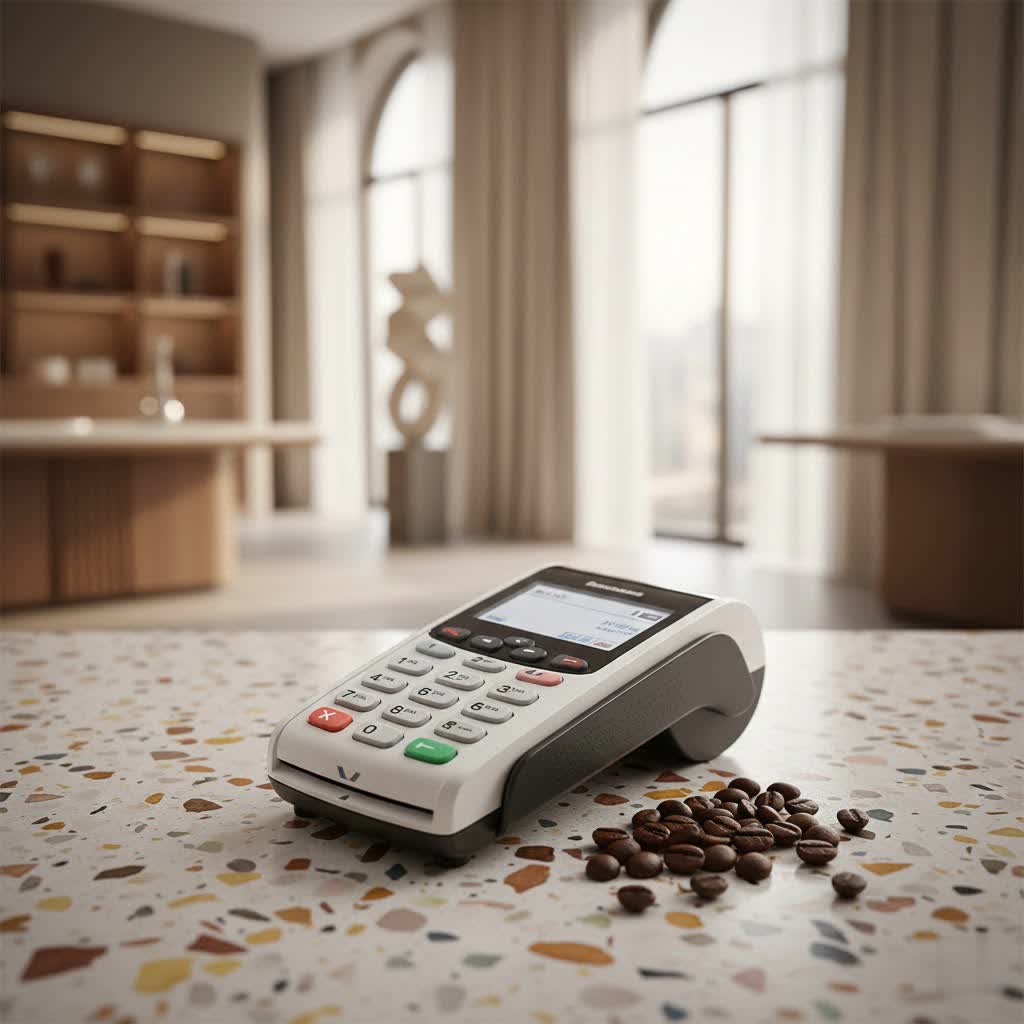
As a seasoned veteran in the card reader arena, I’ve seen payment technology evolve dramatically. The core challenge for businesses remains constant: how to make payments as effortless as possible for customers while maintaining robust security and efficient operations. Shopify’s suite of card readers addresses this head-on, offering powerful tools that integrate directly with your online store, ensuring every sale, whether online or in-person, is accounted for in one central hub. Let’s dive deep into what makes these readers a game-changer and how you can leverage them for your business.
Why a Shopify Card Reader is Essential for Your Business
In the fast-paced world of retail, every second and every customer interaction counts. A reliable Shopify card reader isn’t just a convenience; it’s a strategic asset that brings a host of benefits to your business operations.
Seamless Omnichannel Selling
|
Our Picks for the Best Card Reader in 2026
As an Amazon Associate I earn from qualifying purchases.
|
||
| Num | Product | Action |
|---|---|---|
| 1 | USB C SD Card Reader for iPhone 15/16/17/Mac/iPad,Dual Card Slot Memory Card Reader Supports SD and TF Card Trail Camera Viewer SD Card Adapter Portable Micro SD Card Reader No App Plug and Play |

|
| 2 | SD Card Reader for iPhone, Memory Card Reader with USB Camera Adapter Plug and Play Trail Game Camera Viewer Supports SD and TF Card MicroSD Card Adapter for iPad No App Required |
|
| 3 | Memory Card Reader, BENFEI 4in1 USB 3.0 and USB-C to SD Micro SD MS CF Card Reader Adapter, 4 Cards Simultaneously Read and Write, Compatible with iPhone 15 Series, MacBook Pro/Air 2023, and More |
|
| 4 | USB3.0 Micro SD Card Reader, 5Gbps 2-in-1 SD Card Reader to USB Adapter, Wansurs Memory Card Reader for SDXC, SDHC, MMC, RS-MMC, Micro SDXC, Micro SD, Micro SDHC and UHS-I Cards (1Pack Black) |
|
| 5 | UGREEN SD Card Reader USB 3.0 Card Hub Adapter 5Gbps Read 4 Cards Simultaneously CF, CFI, TF, SDXC, SDHC, SD, MMC, Micro SDXC, Micro SD, Micro SDHC, MS, UHS-I (Black) |
|
| 6 | Anker USB C Hub (7-in-1), with 4K HDMI, 85W Power Delivery, USB-C and 2 USB-A 5Gbps Data Ports, microSD and SD Card Reader, for MacBook Air, MacBook Pro, XPS, and More |
|
| 7 | SAICOO Smart Card Reader DOD Military USB Common Access CAC Card Reader, Compatible with Mac OS, Win (Horizontal Version) |
|
| 8 | UGREEN SD Card Reader USB C, USB 3.0 Micro SD Card Reader 2 in 1 Memory Card Reader for MicroSD SDHC SDXC Compatible with PC Computer MacBook Laptop iPad iPhone 17 16 15 Pro/Pro Max |
|
| 9 | USB C USB3.0 Multi Card Reader for SD, CF, Micro SD, XD, MS Cards - 7 in 1 Adapter Hub for Windows, Mac, Linux, Android |
|
| 10 | SmartQ C368 USB 3.0 Card Reader - Plug & Play, Compatible with Apple & Windows, Supports SD, Micro SD, MS, CF Cards |
|
One of the standout features of the Shopify card reader ecosystem is its unparalleled integration with the Shopify Point of Sale (POS) app. This powerful synergy means that your in-person sales automatically sync with your online store, providing a unified view of your inventory, customer data, and sales reports. Forget the headaches of manual reconciliation or disparate systems; with Shopify, your physical and digital storefronts work in perfect harmony. You sell a product in-store, and your online inventory updates instantly. This real-time synchronization is invaluable for managing stock, fulfilling orders, and understanding your overall business performance without breaking a sweat.
Accept Every Payment, Everywhere
Modern consumers expect flexibility, and a Shopify card reader delivers precisely that. These devices are designed to accept a comprehensive range of payment methods, ensuring you never miss a sale. From EMV chip cards, which offer enhanced security, to lightning-fast contactless payments (NFC) via tap-to-pay credit cards, Apple Pay, and Google Pay, your customers can choose their preferred way to pay. This versatility extends to your selling environment too. Whether you’re at a fixed checkout counter, roaming the aisles of your store, or selling on the go at a market, these portable, Bluetooth-enabled readers ensure you can process transactions with ease.
Rock-Solid Security for Every Transaction
Security is paramount in payment processing, and Shopify understands this implicitly. Their card readers are EMV certified and PCI DSS compliant, meaning every transaction is handled with the highest industry standards for data protection. EMV technology encrypts sensitive cardholder data at the point of sale, significantly reducing the risk of fraud for both you and your customers. This built-in security not only protects your business from potential liabilities but also builds crucial trust with your customer base, assuring them that their financial information is in safe hands.
Streamlined Operations and Simplified Reporting
Beyond accepting payments, Shopify card readers empower you to streamline your entire operational workflow. The Shopify POS app, working hand-in-hand with your reader, facilitates quick checkouts, easy refunds and exchanges, and comprehensive transaction tracking. All your sales data flows directly into your Shopify admin, providing robust reporting and analytics. This means less time on administrative tasks and more time focusing on what you do best: growing your business and serving your customers.
Choosing Your Perfect Shopify Card Reader: A Closer Look
With various options available, selecting the right Shopify card reader for your business needs can feel a bit like choosing the perfect tool from a well-stocked toolbox. It’s about matching functionality with your specific selling environment and customer preferences.
Decoding the Shopify Reader Lineup
Shopify offers a range of card readers, each designed to cater to different business sizes and selling scenarios:
- Shopify Tap & Chip Reader: This is often the most popular starting point. Priced affordably (around $49), it’s compact, lightweight, and perfect for mobile selling or a basic countertop setup. It accepts EMV chip and contactless payments, connecting wirelessly via Bluetooth. It’s ideal for quick, mobile in-person sales.
- Shopify POS Go: An all-in-one handheld device (around $299) that combines a card reader, barcode scanner, and receipt printer. The POS Go is excellent for businesses needing ultimate mobility and comprehensive functionality in one portable unit, like those operating on a busy sales floor or at events.
- Shopify WisePad 3 Reader: Available in select regions, this reader also supports chip and contactless transactions, often with secure PIN entry for added security. It’s compact and can be paired with a dock for a more stable countertop solution.
- Shopify Chip & Swipe Reader: A wireless option (around $29) that handles EMV chip and traditional magnetic stripe payments, perfect for businesses with a mix of payment preferences or as a reliable backup.
- Shopify Swipe Card Reader: A more legacy option (around $29) that connects via an audio jack, specifically for magnetic stripe swipe payments. This is generally recommended for very occasional sales or as an entry-level solution where chip/contactless aren’t frequently encountered.
- Shopify POS Terminal: For a more traditional, countertop experience, this device connects via Wi-Fi or Ethernet and often includes a customer-facing display.
- Tap to Pay on iPhone: For iOS users, this innovative feature turns your iPhone into a card reader, allowing you to accept contactless payments directly on your phone without any additional hardware. It’s fantastic for casual, on-the-go sales but doesn’t support chip or swipe payments.
Understanding Compatibility and Connectivity
Most Shopify card readers connect wirelessly via Bluetooth 4.2+ to your iOS (iPad, iPhone) or Android device running the Shopify POS app. Some, like the Tap & Chip Reader, also offer a USB-C connection option for compatible Android devices, providing a wired fallback that can be more reliable in certain environments. It’s crucial to ensure your device’s operating system and Bluetooth capabilities meet the requirements for seamless integration. Always check Shopify’s official hardware compatibility guides to avoid any surprises.
Navigating Pricing and Transaction Fees
While the upfront cost of Shopify card readers is competitive, remember that they operate in conjunction with a Shopify plan and Shopify Payments. Transaction fees, typically a percentage plus a fixed amount per transaction (e.g., 2.6% + $0.10 for in-person sales), are standard. These rates can vary depending on your Shopify subscription plan, with higher-tier plans often offering lower processing fees. Some basic plans might even include a free reader or a trial period, but it’s essential to read the fine print to understand any ongoing monthly costs or payment processing rates.
What Features Truly Matter for Your Business
When making your choice, consider these practical aspects:
- Portability: If you sell at markets or frequently move around, a lightweight, wireless reader like the Tap & Chip or POS Go is crucial.
- Battery Life: For long selling days, prioritize readers known for extended battery performance (e.g., 500 transactions per charge for the Tap & Chip Reader) or consider a charging dock.
- Payment Types: Ensure the reader supports all payment methods your customers commonly use, especially chip and contactless.
- Connectivity Reliability: While Bluetooth is convenient, consider if a USB-C option provides added stability for your setup.
- Integrated Features: Do you need a built-in barcode scanner or receipt printer? The POS Go might be your answer.
Setting Up Your Shopify Card Reader: A Step-by-Step Guide
Getting your Shopify card reader up and running is a straightforward process designed for business owners, not IT experts. Here’s a general guide to get you started:
Preparation: App, Charging, and Permissions
- Download the Shopify POS App: This is your command center. Ensure you have the latest version installed on your compatible iOS or Android device.
- Charge Your Reader: Before its first use, fully charge your Shopify card reader using the provided USB cable. A full charge typically takes a few hours and can power hundreds of transactions.
- Enable Permissions: For iOS users, especially with iOS 14 or higher, ensure “Cross-Website Tracking” is enabled in your device settings to allow third-party Shopify apps to stay connected.
Pairing Your Reader
The most common way to connect your card reader is via Bluetooth:
- Turn On Your Reader: Press and release the power button on your card reader. Look for the indicator lights to show it’s active.
- Open Shopify POS App: On your device, open the Shopify POS app.
- Navigate to Settings: Tap the
☰(menu) icon, then go toSettings>Set up hardware. - Select Card Reader: Tap
Card readerand choose your specific reader model (e.g.,Tap & Chip). - Initiate Pairing: On your card reader, press and hold the power button for about 4 seconds until the LED lights flash back and forth in blue. This indicates it’s in pairing mode. Release the button.
- Connect in App: Your reader should appear in the
Available card readerssection of the Shopify POS app. TapConnect. Once paired, the lights on the reader will change to indicate a successful connection.- For USB-C Connection (Android only): Some Android devices allow direct USB-C connection. After selecting
Tap & Chipin the app, chooseUSBas the connection type, then physically connect the USB-C cable from the reader to your device.
- For USB-C Connection (Android only): Some Android devices allow direct USB-C connection. After selecting
Processing Your First Sale: A Quick Walkthrough
- Add Products: In the Shopify POS app, add the products your customer wishes to purchase to the cart.
- Initiate Payment: Tap
Checkout. - Choose Payment Method: Select
CreditorDebit. - Tap/Insert Card: Instruct your customer to tap their contactless card/device or insert their EMV chip card into the reader.
- Confirm: The transaction will process. Once approved, you’ll see a confirmation in the app.
- Receipt Options: Offer to email, text, or print the receipt.
- Sale Complete!
Mastering Your Shopify Card Reader: Tips for Success
As a payment technology expert, I always advise clients to move beyond basic functionality and truly master their tools. Here are some pro tips for getting the most out of your Shopify card reader.
Optimize for Speed and Customer Experience
“A quick, secure checkout isn’t just a transaction; it’s a critical touchpoint that leaves a lasting impression on your customers,” notes Olivia Sterling, a payments solutions architect with over a decade in retail tech. “By ensuring your card reader is always charged, connected, and ready, you’re not just speeding up lines, you’re enhancing loyalty.”
- Keep it Charged: A dead battery is a lost sale. Make it a habit to charge your reader overnight or during slow periods.
- Practice Makes Perfect: Familiarize yourself and your staff with the entire payment process, including troubleshooting common issues, to ensure smooth transactions even during peak hours.
- Offer Choices: Clearly communicate to customers that you accept various payment methods (tap, chip, mobile wallets) to avoid confusion and speed up the process.
Maintain and Troubleshoot Like a Pro
Even the most reliable tech can have a hiccup. Being prepared helps.
- Software Updates: Regularly update your Shopify POS app and the card reader’s firmware to ensure optimal performance and access to the latest features and security patches.
- Connectivity Checks: If your reader won’t connect, first check that Bluetooth is on, both devices are charged, and your app is up to date. Sometimes, simply restarting both the reader and your device can resolve minor glitches.
- Cleanliness: Keep your card reader clean, especially the chip slot and tap area, to prevent debris from interfering with transactions.
Leveraging Shopify POS Beyond Payments
Your card reader is a gateway to the broader Shopify POS ecosystem. Don’t just think of it for payments; use it to its full potential:
- Inventory Management: Track sales in real-time to keep your online and physical store inventories perfectly aligned.
- Customer Profiles: Build rich customer profiles based on in-person and online purchases, enabling personalized marketing and loyalty programs.
- Detailed Reporting: Access comprehensive sales reports, analyze product performance, and identify trends to make informed business decisions.
Frequently Asked Questions About Shopify Card Readers
Q: Can I use a non-Shopify card reader with my Shopify POS?
A: While Shopify’s own readers offer the most seamless integration, you can use some external, unsupported card readers or payment terminals with Shopify POS, depending on your region and payment provider. However, these might require a separate merchant account with the external provider and may not offer the same level of integration and features as Shopify-supported hardware.
Q: What are the transaction fees for Shopify card readers?
A: Shopify card readers use Shopify Payments, and transaction fees typically range from around 2.4% to 2.7% plus $0.10 per in-person transaction, depending on your Shopify plan. Higher-tier plans usually come with lower processing rates.
Q: How long do payouts take with Shopify Payments?
A: Payouts with Shopify Payments generally take around 2-6 business days to arrive in your bank account, which can be slightly slower than some other payment processors.
Q: What if my card reader won’t connect?
A: First, ensure your card reader is fully charged and powered on. Then, check that Bluetooth is enabled on your device, and the Shopify POS app is updated to the latest version. Try unpairing and re-pairing the reader through the Set up hardware section in your Shopify POS settings. Restarting both your device and the card reader can also often resolve connection issues.
Q: Is “Tap to Pay on iPhone” a good alternative to a physical card reader?
A: “Tap to Pay on iPhone” is an excellent, hardware-free option for accepting contactless payments directly on your iPhone. It’s ideal for occasional in-person sales or as a quick backup. However, it only supports tap payments (NFC) and cannot process EMV chip insertions or magnetic stripe swipes, which physical card readers can.
Your Path to Confident In-Person Sales
Embracing a Shopify card reader is more than just upgrading your payment hardware; it’s an investment in the efficiency, security, and growth of your business. With over 15 years in this field, I’ve seen firsthand how the right tools empower entrepreneurs to focus on what truly matters: connecting with customers and delivering exceptional products and services. By understanding the types of readers available, their features, and how to seamlessly integrate them into your operations, you can confidently navigate the modern retail landscape.
Ready to transform your in-person sales and unify your business operations? Explore the Shopify card reader options, choose the one that fits your unique needs, and unlock a world of smooth, secure transactions. Your customers—and your bottom line—will thank you for it.
