In a world increasingly moving beyond physical cash, staying competitive means adapting. This is where the Mobile Credit Card Reader steps in, transforming how businesses of all sizes handle transactions. Far from being a mere gadget, this powerful tool is a cornerstone of modern commerce, offering unparalleled flexibility, security, and efficiency. Whether you’re a budding entrepreneur or a seasoned business owner, understanding the ins and outs of mobile payment processing is crucial for thriving in today’s digital economy.
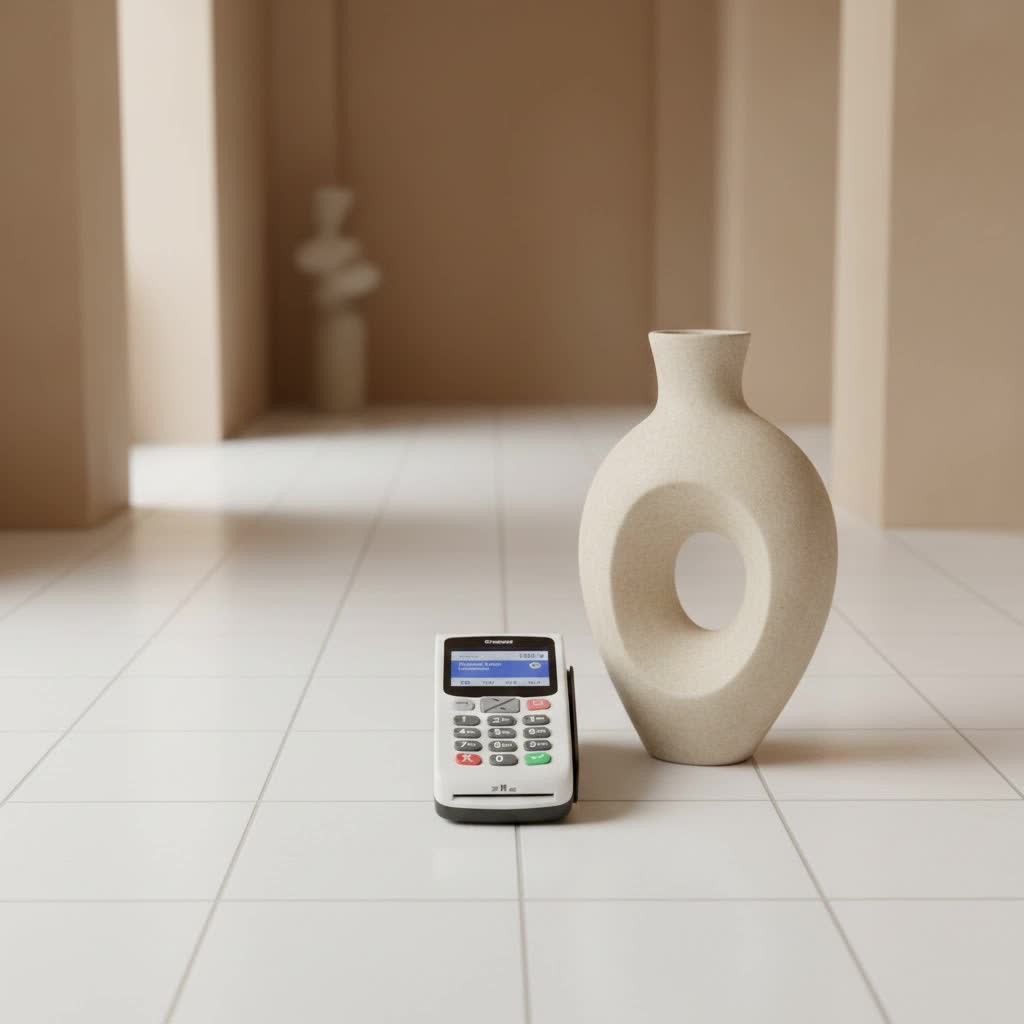
Let’s dive deep into what these innovative devices are, how they empower your business, and what you need to consider to make the smartest choice for your operations.
What Exactly is a Mobile Credit Card Reader?
At its core, a mobile credit card reader is a portable device that enables you to accept credit and debit card payments using a smartphone or tablet. Think of it as a pocket-sized point-of-sale (POS) system that frees you from the confines of a traditional cash register. These readers come in various forms, but their purpose remains consistent: to facilitate secure and swift transactions wherever your business takes you. They operate by securely encrypting card data and transmitting it to a payment processor for authorization, all typically within a matter of seconds.
Why has this technology become so vital? Simply put, consumer payment habits have shifted dramatically. A significant portion of adults now prefer electronic payments for all their purchases, often carrying little to no cash. To capture every potential sale, businesses must be equipped to accept card payments. A mobile credit card reader allows you to do just that, ensuring you never miss an opportunity due to payment limitations.
How Mobile Credit Card Readers Work Their Magic
The underlying technology behind a mobile credit card reader is designed for simplicity and speed. These devices typically connect to your smartphone or tablet either through a wired connection (like an audio jack or USB port), wirelessly via Bluetooth, or through Near Field Communication (NFC) technology.
Once connected, the process of accepting a payment is straightforward:
- Swiping (Magstripe): For older cards, you simply slide the magnetic strip across the reader. This method, while still supported, is becoming less common due to enhanced security features in newer card types.
- Dipping (EMV Chip): Cards with an EMV chip (the small metallic square) are inserted into the reader and remain there until the transaction is complete. This “dip” method is more secure as it generates a unique, encrypted code for each transaction, making it much harder for fraudsters to clone cards.
- Tapping (Contactless/NFC): This is the fastest and increasingly popular method. Customers simply tap their contactless card, smartphone (using Apple Pay, Google Pay, or other digital wallets), or smartwatch near the reader. NFC technology facilitates a secure, short-range wireless communication, completing the payment almost instantly.
Regardless of the method, once the card data is read, the mobile credit card reader communicates with the customer’s bank to verify funds and authorize the purchase. This usually involves placing a hold on the amount. Then, the payment is captured, and the funds are settled, typically appearing in your business account within one to two business days. It’s a seamless dance between your device, the reader, the payment processor, and the banks, all working in unison to ensure your transaction is complete.
Diverse Types of Mobile Credit Card Readers
The market for mobile credit card readers has evolved, offering various types to suit different business needs:
- Dongle Readers: These are often the most basic and affordable, plugging directly into your smartphone’s audio jack or charging port. They usually support magstripe swipes and sometimes EMV chip dips. They are perfect for businesses with very low transaction volumes or those just starting out.
- Bluetooth Readers: These wireless devices connect to your smartphone or tablet via Bluetooth, offering more flexibility in how you handle transactions. Many Bluetooth readers support EMV chip and contactless (NFC) payments, providing a more modern and secure payment experience. They often have their own battery, freeing up your phone’s power.
- All-in-One Terminals: Some mobile credit card readers are standalone devices, resembling smaller, portable versions of traditional POS terminals. These units come with their own screen, keypad, and often a built-in printer for receipts. They typically connect via Wi-Fi or cellular data (with a SIM card), offering complete independence from a smartphone, though they might be less “mobile” than dongle or Bluetooth options.
- “Tap to Pay” Solutions: This is the latest innovation, turning your NFC-enabled smartphone (like an iPhone XS or newer with Tap to Pay on iPhone, or compatible Android devices) directly into a mobile credit card reader without any additional hardware. Customers simply tap their contactless card or digital wallet on your phone to complete the transaction, making it incredibly convenient for businesses that want to minimize equipment.
Each type offers a different balance of portability, functionality, and cost, allowing you to choose the perfect mobile credit card reader to complement your business model.
Why a Mobile Credit Card Reader is a Game-Changer for Your Business
For any business looking to grow and adapt, integrating a mobile credit card reader is less of an option and more of a necessity. Here’s why these devices are a true game-changer:
Unmatched Flexibility and Mobility
|
Our Picks for the Best Card Reader in 2026
As an Amazon Associate I earn from qualifying purchases.
|
||
| Num | Product | Action |
|---|---|---|
| 1 | SAICOO Smart Card Reader DOD Military USB Common Access CAC Card Reader, Compatible with Mac OS, Win (Horizontal Version) |

|
| 2 | USB C USB3.0 Multi Card Reader for SD, CF, Micro SD, XD, MS Cards - 7 in 1 Adapter Hub for Windows, Mac, Linux, Android |
|
| 3 | UGREEN SD Card Reader USB 3.0 Card Hub Adapter 5Gbps Read 4 Cards Simultaneously CF, CFI, TF, SDXC, SDHC, SD, MMC, Micro SDXC, Micro SD, Micro SDHC, MS, UHS-I (Black) |
|
| 4 | USB C SD Card Reader for iPhone 15/16/17/Mac/iPad,Dual Card Slot Memory Card Reader Supports SD and TF Card Trail Camera Viewer SD Card Adapter Portable Micro SD Card Reader No App Plug and Play |
|
| 5 | SD Card Reader for iPhone, Memory Card Reader with USB Camera Adapter Plug and Play Trail Game Camera Viewer Supports SD and TF Card MicroSD Card Adapter for iPad No App Required |
|
| 6 | SmartQ C368 USB 3.0 Card Reader - Plug & Play, Compatible with Apple & Windows, Supports SD, Micro SD, MS, CF Cards |
|
| 7 | UGREEN SD Card Reader USB C, USB 3.0 Micro SD Card Reader 2 in 1 Memory Card Reader for MicroSD SDHC SDXC Compatible with PC Computer MacBook Laptop iPad iPhone 17 16 15 Pro/Pro Max |
|
| 8 | Memory Card Reader, BENFEI 4in1 USB 3.0 and USB-C to SD Micro SD MS CF Card Reader Adapter, 4 Cards Simultaneously Read and Write, Compatible with iPhone 15 Series, MacBook Pro/Air 2023, and More |
|
| 9 | Anker USB C Hub (7-in-1), with 4K HDMI, 85W Power Delivery, USB-C and 2 USB-A 5Gbps Data Ports, microSD and SD Card Reader, for MacBook Air, MacBook Pro, XPS, and More |
|
| 10 | USB3.0 Micro SD Card Reader, 5Gbps 2-in-1 SD Card Reader to USB Adapter, Wansurs Memory Card Reader for SDXC, SDHC, MMC, RS-MMC, Micro SDXC, Micro SD, Micro SDHC and UHS-I Cards (1Pack Black) |
|
Imagine running a bustling food truck, selling handmade crafts at a weekend market, providing on-site services, or even just taking orders on a busy restaurant patio. A mobile credit card reader allows you to accept payments anywhere you have a cellular or Wi-Fi connection. This liberation from a fixed countertop terminal means you can take your business directly to your customers, expanding your operational reach and seizing every sales opportunity, no matter the location.
Boosting Sales and Enhancing Customer Convenience
In a cashless society, the ability to accept cards directly prevents lost sales. Customers who prefer electronic payments will appreciate the ease and speed. Faster transaction times, especially with contactless options, mean shorter lines and a smoother checkout experience, leaving a positive lasting impression. This convenience often encourages impulse buys, as customers are more inclined to add a few extra items to their cart when they’re not physically handing over cash. Businesses that accept credit cards frequently report a significant increase in sales, with many seeing their monthly revenue climb by thousands.
Cost-Effective Payment Processing
Compared to traditional point-of-sale (POS) systems, which often demand substantial upfront investments in hardware, software, and maintenance, mobile credit card readers are remarkably cost-effective. Many readers are available at a fraction of the price, and some providers even offer them for free, focusing on transaction fees instead. This makes them an ideal choice for small businesses, startups, and pop-up vendors who need an efficient payment solution without breaking the bank. You often avoid hefty monthly fees or long-term contracts associated with more complex systems.
Streamlined Operations and Smarter Management
Beyond simply accepting payments, many mobile credit card reader solutions come bundled with powerful mobile POS apps. These applications often provide a suite of tools for inventory management, allowing you to track stock, make real-time price updates, and streamline your ordering process. Detailed sales reports and analytics offer invaluable insights into your business performance, helping you make informed decisions and strategize for future growth. Seamless integration with popular accounting software like QuickBooks or Xero further reduces administrative tasks, saving you time and effort on bookkeeping.
Elevated Security and Fraud Prevention
One of the most critical advantages, especially in the context of “Umaoc’s” focus, is the enhanced security that mobile credit card readers offer. Moving away from cash reduces the risk of theft and makes accounting simpler. Modern readers are built with robust security measures to protect sensitive cardholder data, giving both you and your customers peace of mind.
Safeguarding Your Transactions: Mobile Credit Card Reader Security
As a leading expert in card reader technology, I can confidently say that security is paramount when handling financial transactions. Mobile credit card readers incorporate multiple layers of protection to ensure data integrity and prevent fraud.
Core Security Technologies
- Encryption: From the moment a card is swiped, dipped, or tapped, sensitive payment data is encrypted, scrambling it into an unreadable format. This encryption protects the data as it travels from the reader to the payment processor, making it incomprehensible to unauthorized parties.
- Tokenization: Many advanced readers utilize tokenization, a process where actual card numbers are replaced with unique, randomly generated “tokens.” If a hacker intercepts a token, it’s useless for accessing the original cardholder information, significantly enhancing security.
- EMV Chip Technology: The small microchip on modern credit cards is a powerhouse of security. When a card is “dipped” into an EMV reader, the chip generates a dynamic cryptogram for each transaction. This unique, one-time code makes it incredibly difficult to clone cards or use stolen data for fraudulent purposes.
- PCI DSS Compliance: Reputable mobile credit card reader providers adhere to the Payment Card Industry Data Security Standard (PCI DSS), a global set of requirements designed to ensure that all companies that process, store, or transmit credit card information maintain a secure environment.
Best Practices for Ironclad Security
While the technology provides a strong foundation, implementing best practices is essential for comprehensive security:
- Keep Software Updated: Criminals constantly seek vulnerabilities. Regularly updating your reader’s firmware, mobile operating system, and payment application is crucial to patch security gaps and maintain the latest protections.
- Use Secure Networks: Always process payments over secure Wi-Fi connections or Virtual Private Networks (VPNs). Public Wi-Fi networks are often unencrypted and highly susceptible to eavesdropping, posing a significant risk.
- Implement Multi-Factor Authentication (MFA/2FA): Requiring more than one form of verification (e.g., a password and a fingerprint) before a purchase or login adds a formidable barrier against unauthorized access, safeguarding both merchant and customer data.
- Educate Your Team: A strong security culture is key. Train your staff to recognize common fraud indicators, phishing attempts, and social engineering tactics. Ensure they understand the importance of secure password management and device protection.
- Device Management: For businesses using multiple devices, Mobile Device Management (MDM) solutions can centralize the security, monitoring, and management of all payment-processing devices, helping enforce security policies and ensure compliance.
“In today’s fast-paced digital economy, the mobile credit card reader isn’t just a convenience, it’s a strategic necessity. Businesses that embrace this technology aren’t just adapting; they’re actively expanding their reach, enhancing customer trust through secure transactions, and gaining invaluable insights into their sales – all from the palm of their hand,” says Anya Sharma, Lead Payment Systems Architect at Umaoc.
Choosing the Right Mobile Credit Card Reader for Your Business
With so many options available, selecting the ideal mobile credit card reader can seem daunting. Here are the key factors to consider to ensure you make an informed decision:
1. Payment Methods Accepted
Future-proof your business by choosing a mobile credit card reader that supports all three primary payment types: magnetic stripe (swipe), EMV chip (dip), and contactless/NFC (tap). While magstripe is phasing out, many cards still have them. EMV is the global standard for fraud protection, and contactless payments are rapidly growing in popularity.
2. Upfront Costs and Transaction Fees
Mobile credit card readers vary in price, from free (with transaction fees) to upwards of $100 or more for advanced models. More importantly, scrutinize the transaction fees. These are typically a percentage of each transaction plus a small fixed amount. Compare rates from different providers (e.g., Square, SumUp, PayPal Here, QuickBooks GoPayment) and consider your projected sales volume to understand the true cost. Be aware of potential additional fees like monthly minimums, PCI compliance fees, or keyed-in transaction surcharges. Look for transparent pricing with no hidden costs.
3. Compatibility and Connectivity
Ensure the mobile credit card reader is compatible with your existing devices (iOS or Android smartphones/tablets). Consider how it connects – Bluetooth offers flexibility, while some standalone units use Wi-Fi or cellular data directly. Reliable connectivity is crucial for uninterrupted transactions.
4. Processing Speed and Fund Availability
How quickly will the processed funds be deposited into your bank account? Most providers offer deposits within one to two business days, but some might be faster or have different holding periods. Understand the timeline to manage your cash flow effectively.
5. Integrated Features and POS Capabilities
Many mobile credit card reader solutions come with powerful companion apps that offer more than just payment processing. Look for features like inventory management, sales reporting, customer management, invoicing, and integration with accounting software. These functionalities can significantly streamline your business operations and provide valuable insights.
6. Ease of Setup and Use
You want a mobile credit card reader that’s easy to set up and intuitive for both you and your staff to operate. A straightforward interface minimizes training time and reduces the chance of errors during busy periods.
7. Customer Support
Even the best technology can have hiccups. Check the provider’s customer support options. Do they offer 24/7 support, phone, email, or live chat? Responsive and helpful support can be invaluable when you encounter an issue.
Frequently Asked Questions About Mobile Credit Card Readers
Q1: Do I need an internet connection to use a mobile credit card reader?
Yes, typically a mobile credit card reader requires an internet connection (Wi-Fi or cellular data) to authorize payments in real-time. Some providers offer an “offline mode” where transactions are stored and processed once connectivity is restored, but final approval only happens online.
Q2: Are mobile credit card readers secure against fraud?
Absolutely. Modern mobile credit card readers employ robust security measures like end-to-end encryption, tokenization, EMV chip technology, and PCI DSS compliance to protect sensitive cardholder data and prevent fraud. However, merchants should also follow best practices like regular software updates and using secure networks.
Q3: Can a mobile credit card reader handle all major credit cards?
Most reputable mobile credit card readers are designed to accept all major credit and debit cards, including Visa, Mastercard, American Express, and Discover. Many also support popular digital wallets like Apple Pay and Google Pay.
Q4: How quickly do I get my money after a transaction?
The settlement time can vary by provider, but typically, funds from transactions processed via a mobile credit card reader are deposited into your business bank account within one to two business days. Some providers might offer faster options, while others could have longer holding periods depending on risk assessment.
Q5: Is a mobile credit card reader suitable for my small business or pop-up shop?
Yes, mobile credit card readers are ideal for small businesses, freelancers, mobile service providers, food trucks, and pop-up shops. Their portability, cost-effectiveness, and ease of use make them perfect for accepting payments on the go without the need for a traditional, expensive POS system.
Q6: What’s the difference between swiping, dipping, and tapping?
Swiping involves running a card with a magnetic stripe through the reader. Dipping means inserting a card with an EMV chip into the reader. Tapping refers to contactless payments, where a card or mobile device with NFC technology is held near the reader. Tapping and dipping offer higher security than swiping.
Q7: Are there hidden fees with mobile credit card readers?
While many providers offer transparent pricing, it’s crucial to thoroughly review all terms and conditions. Look out for potential fees such as monthly minimums, PCI compliance fees, keyed-in transaction fees (if you manually enter card details), or early termination fees if you cancel a contract prematurely. Always ask for a full breakdown of all potential costs.
Embracing the Future of Payments
The mobile credit card reader is more than just a piece of hardware; it’s a gateway to new possibilities for your business. It represents freedom, efficiency, and a commitment to meeting your customers where they are. By providing the flexibility to accept payments securely and conveniently, these devices empower you to expand your reach, boost your sales, and streamline your operations.
As the digital payment landscape continues to evolve, embracing a robust mobile payment solution is no longer optional. It’s a strategic move that positions your brand, like Umaoc, at the forefront of innovation, demonstrating a dedication to modern convenience and unwavering security. So go ahead, choose the right mobile credit card reader, unlock its full potential, and watch your business thrive in the palm of your hand.
