In our fast-paced world, convenience is king, and few technologies embody this better than Near Field Communication (NFC). Chances are, you interact with an Nfc Card Reader almost daily without even realizing it—whether you’re tapping your phone to pay for coffee, scanning your badge to enter the office, or even boarding public transport with a quick tap of your card. These ingenious devices are the silent workhorses behind countless modern conveniences, seamlessly bridging the gap between our digital lives and the physical world. But what exactly is an NFC card reader, how does it work, and why has it become such an indispensable part of our connected existence?
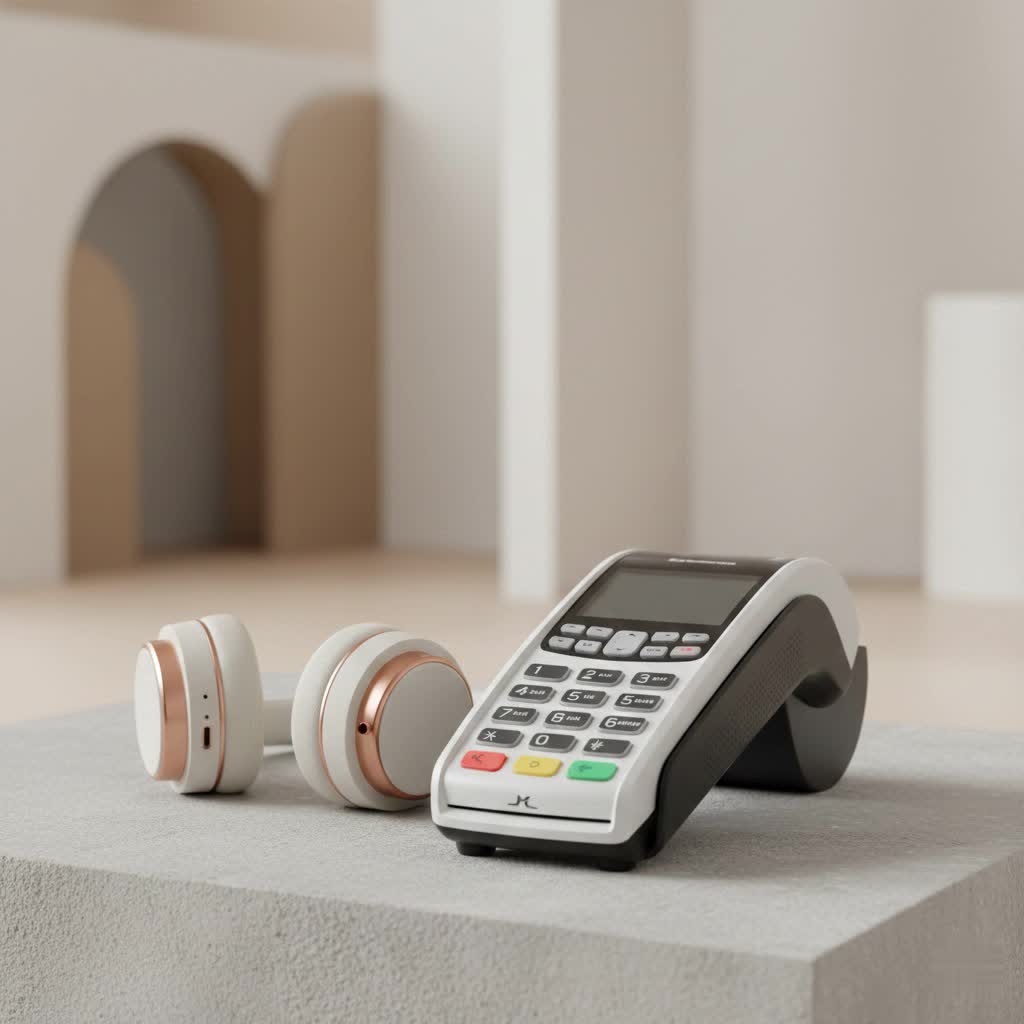
Join me, a seasoned expert from Umaoc.com, as we dive deep into the fascinating realm of NFC card readers, unraveling their technical marvels, diverse applications, and the vital role they play in enhancing our security and daily efficiency.
What Exactly is an NFC Card Reader?
At its heart, an NFC card reader is a device designed to facilitate short-range wireless communication, typically within a mere 4 centimeters (about 1.5 inches). This intimate proximity is no accident; it’s a deliberate design choice that makes NFC incredibly fast and inherently secure. Operating at a radio frequency of 13.56 MHz, these readers create an electromagnetic field that allows them to interact with compatible NFC tags or cards. Their primary function is to read data, though many models also possess the ability to write information onto NFC tags, making them incredibly versatile tools.
You might be thinking, “Isn’t that just like RFID?” And you’d be partially right! NFC is actually a specialized subset of Radio Frequency Identification (RFID) technology. While RFID systems can operate over much longer distances and a broader range of frequencies, NFC focuses on the “near field” for highly secure, intentional, and often two-way communication. Think of it as RFID’s more personal, secure cousin.
How Does an NFC Card Reader Work its Magic?
The magic behind an NFC card reader lies in a principle called electromagnetic induction. Imagine two coils of wire. When an electric current passes through one coil (in the reader), it generates a magnetic field. If a second coil (in an NFC tag or card) is brought close enough to this field, a current is induced in the second coil, powering it up.
This elegant dance allows NFC to work in two primary modes:
- Passive Mode: In this most common scenario, the NFC tag doesn’t need its own power source. It draws all the necessary energy from the reader’s electromagnetic field. Once powered, it transmits its stored data back to the reader. Think of your contactless payment card or an access fob—they light up and communicate only when near a reader.
- Active Mode: Here, both the NFC card reader and the NFC device (like two smartphones or a specialized reader) have their own power supplies and can actively generate an RF field to send and receive data. This enables more complex peer-to-peer communication.
|
Our Picks for the Best Card Reader in 2026
As an Amazon Associate I earn from qualifying purchases.
|
||
| Num | Product | Action |
|---|---|---|
| 1 | USB3.0 Micro SD Card Reader, 5Gbps 2-in-1 SD Card Reader to USB Adapter, Wansurs Memory Card Reader for SDXC, SDHC, MMC, RS-MMC, Micro SDXC, Micro SD, Micro SDHC and UHS-I Cards (1Pack Black) |

|
| 2 | SD Card Reader for iPhone, Memory Card Reader with USB Camera Adapter Plug and Play Trail Game Camera Viewer Supports SD and TF Card MicroSD Card Adapter for iPad No App Required |
|
| 3 | Memory Card Reader, BENFEI 4in1 USB 3.0 and USB-C to SD Micro SD MS CF Card Reader Adapter, 4 Cards Simultaneously Read and Write, Compatible with iPhone 15 Series, MacBook Pro/Air 2023, and More |
|
| 4 | UGREEN SD Card Reader USB C, USB 3.0 Micro SD Card Reader 2 in 1 Memory Card Reader for MicroSD SDHC SDXC Compatible with PC Computer MacBook Laptop iPad iPhone 17 16 15 Pro/Pro Max |
|
| 5 | Anker USB C Hub (7-in-1), with 4K HDMI, 85W Power Delivery, USB-C and 2 USB-A 5Gbps Data Ports, microSD and SD Card Reader, for MacBook Air, MacBook Pro, XPS, and More |
|
| 6 | SAICOO Smart Card Reader DOD Military USB Common Access CAC Card Reader, Compatible with Mac OS, Win (Horizontal Version) |
|
| 7 | SmartQ C368 USB 3.0 Card Reader - Plug & Play, Compatible with Apple & Windows, Supports SD, Micro SD, MS, CF Cards |
|
| 8 | USB C USB3.0 Multi Card Reader for SD, CF, Micro SD, XD, MS Cards - 7 in 1 Adapter Hub for Windows, Mac, Linux, Android |
|
| 9 | UGREEN SD Card Reader USB 3.0 Card Hub Adapter 5Gbps Read 4 Cards Simultaneously CF, CFI, TF, SDXC, SDHC, SD, MMC, Micro SDXC, Micro SD, Micro SDHC, MS, UHS-I (Black) |
|
| 10 | USB C SD Card Reader for iPhone 15/16/17/Mac/iPad,Dual Card Slot Memory Card Reader Supports SD and TF Card Trail Camera Viewer SD Card Adapter Portable Micro SD Card Reader No App Plug and Play |
|
An NFC card reader typically consists of a microcontroller unit, an NFC reader IC (Integrated Circuit), and a precisely tuned 13.56MHz loop antenna. These components work in harmony to create the magnetic field, detect the presence of an NFC tag, and then decode the electromagnetic pulses into meaningful data.
The Versatile World of NFC Card Reader Applications
The ubiquity of the NFC card reader is a testament to its incredible adaptability. From speeding up transactions to tightening security, these devices have woven themselves into the fabric of modern life in countless innovative ways.
Streamlined Payments: Your Wallet’s Best Friend
Perhaps the most familiar application for many, NFC card readers are the backbone of contactless payment systems. Whether you’re using a physical card, a smartphone (like with Apple Pay or Google Wallet), or even a smartwatch, a quick tap is all it takes to complete a transaction. This isn’t just about speed; it’s about minimizing contact, reducing errors, and providing a seamless checkout experience.
Fortifying Security: Access Control at Your Fingertips
Beyond payments, NFC card readers are paramount in access control systems. From granting entry to office buildings and hotels with keycards and fobs to securing sensitive areas, these readers verify identities and manage permissions efficiently. They record precise access times and specific entry points, offering robust oversight for physical security. Imagine never fumbling for keys again—just a simple tap of your phone or badge, and you’re in.
Beyond the Basics: Innovative Uses
The utility of NFC card readers extends far beyond payments and access:
- Data Sharing & Programming: Have you ever wanted to share your Wi-Fi password or a website link with a quick tap? NFC card readers (and NFC-enabled smartphones) allow you to program NFC tags with URLs, contact information, social media links, or even automated triggers for smart devices. This is a game-changer for marketing, personal automation, and streamlining repetitive tasks.
- Public Transport & Event Ticketing: Many cities now use NFC for electronic ticketing on subways, buses, and at events, offering a swift and convenient way to validate entry.
- Inventory Management & Logistics: In industrial settings, NFC is increasingly used for tracking assets, streamlining inventory management, and improving supply chain visibility.
- Internet of Things (IoT) Integration: NFC can simplify the pairing and interaction between smart home devices, wearables, and other IoT gadgets, making our connected homes even smarter.
Unpacking the Benefits of NFC Card Readers
As someone who has spent over 15 years immersed in card reader technology, I can confidently say that the benefits of NFC card readers are truly transformative.
- Speed and Convenience: In today’s on-demand world, every second counts. NFC transactions are near-instantaneous, eliminating the need to swipe, insert, or manually enter data. This creates fluid, intentional interactions that save time for everyone.
- Enhanced Security: The short operating range of NFC is its primary security feature. Data can only be exchanged when devices are in very close proximity, drastically reducing the risk of “eavesdropping” or unauthorized scanning from a distance. Coupled with robust encryption, NFC provides a highly secure channel for sensitive information.
- Simplicity and Ease of Use: Forget complicated pairing processes or remembering multiple passwords. NFC is designed for intuitive “tap and go” functionality. It’s a technology that truly fades into the background, letting you focus on the task at hand.
Navigating the Landscape: Types of NFC Card Readers
The market offers a diverse array of NFC card reader types, each tailored for specific needs and environments.
- Desktop NFC Readers: These stationary devices typically connect to a computer via USB and are perfect for office or retail settings where tags need to be read and written in a fixed location.
- Mobile & Handheld Readers: For on-the-go functionality, handheld devices allow users to read NFC tags in the field, making them invaluable for inventory checks, mobile payments, or field service. Many modern smartphones also boast built-in NFC capabilities, effectively transforming them into mobile readers.
- Integrated & Specialized Readers: You’ll find NFC technology embedded directly into Point-of-Sale (POS) systems, vending machines, smart locks, and even public transport gates. Additionally, specialized readers exist for developers (NFC development kits) or industrial environments, built to withstand harsh conditions. Some readers even offer compatibility with both NFC and other RFID technologies, providing broader functionality.
Choosing Your Perfect NFC Card Reader: A Practical Guide
Selecting the right NFC card reader isn’t a one-size-fits-all decision. Based on my years in the field, here are the crucial factors you need to consider to ensure you make an informed choice that truly fits your requirements.
Compatibility is King: Tags, OS, and Software
The first rule of thumb is compatibility. What kind of NFC tags or cards will you be interacting with?
- NFC Chip Standards: There are different ISO standards (like ISO 14443 A/B and ISO 15693) that dictate how NFC chips store and transmit data. Ensure your chosen reader supports the specific standards of your tags. For instance, most NTAG® and MIFARE® tags fall under ISO 14443-A.
- Operating System Compatibility: Verify that the reader has drivers and support for your operating system, be it Windows, Mac OS, or Linux. Without the right drivers, even the best hardware is useless.
- Software Compatibility: Many readers require specific software to function, especially for programming tags. Check if the reader is compatible with user-friendly applications like NFC Tools or TagXplorer, or if it needs custom integration.
Connection Matters: USB, Bluetooth, Ethernet
How will your NFC card reader connect to other devices or your network?
- USB Readers: These are common for desktop use, offering a simple plug-and-play solution for connecting to computers.
- Bluetooth Readers: Ideal for mobile applications, providing wireless connectivity to smartphones, tablets, or other portable devices.
- Networked Readers (Ethernet, Wi-Fi): For integrated systems or remote management, readers with Ethernet or Wi-Fi capabilities can connect directly to your network. Other options like RS232/RS485 and Wiegand are also available for specific industrial or access control integrations.
Range vs. Precision: What’s Your Priority?
NFC inherently operates over short distances. However, even within that small range, there’s a trade-off to consider:
- Wider Range: Readers with larger antennas generally offer a slightly greater reading range, which can be useful when you need flexibility.
- Higher Precision: If you have multiple tags in close proximity and need to ensure only a specific tag is read, a reader with a smaller, more focused antenna might be preferable, requiring the tag to be very close for detection.
Speed and Security Features: Don’t Compromise
- Read/Write Speed: If you’re processing a high volume of tags, a reader with faster read/write speeds (some can handle up to 5 tags per second) will be a significant advantage.
- Security Features: For sensitive applications like payments or secure access, prioritize readers that support advanced encryption protocols (e.g., TDES, AES) and secure element technology to protect data integrity and confidentiality.
Durability and Environmental Factors
Consider where the reader will be deployed. For harsh industrial environments, look for readers with specific IP ratings for water and dust resistance, as well as temperature tolerance and shock resistance. These are built to last where standard readers wouldn’t.
Addressing Security Concerns: Keeping Your Data Safe
The security of your data is paramount, and it’s a common question that arises with any wireless technology. While no system is entirely foolproof, NFC card readers inherently offer strong security mechanisms.
Inherent Proximity Security: The First Line of Defense
One of NFC’s greatest strengths is its extremely short communication range. This “proximity-based security” means that for a transaction or data exchange to occur, the NFC card reader and the tag must be physically close. This significantly reduces the risk of unauthorized interception or “eavesdropping” compared to longer-range wireless technologies.
Encryption and Secure Elements: The Digital Guardians
Beyond physical proximity, robust encryption protocols are the digital guardians of NFC data. Many NFC systems, particularly those involved in payments, utilize advanced cryptographic algorithms like TDES and AES to encrypt data as it’s transmitted. Furthermore, smartphones often incorporate a “secure element” within their NFC chips, providing an isolated, hardware-level environment for storing sensitive information like payment credentials, making it incredibly difficult for hackers to access.
Understanding Potential Risks
While highly secure, it’s wise to be aware of potential, albeit rare, risks:
- Skimming/Relay Attacks: Though difficult due to the short range, a sophisticated attacker could theoretically use specialized equipment to skim data or relay a signal from a legitimate reader to a distant tag.
- Data Tampering: Without proper authentication, data on an NFC tag could potentially be altered.
- Phone Malware: If a smartphone acting as an NFC reader or tag is compromised by malware, it could expose data.
Best Practices for Users
- Keep Devices Secure: Always be mindful of your NFC-enabled cards and devices.
- Utilize Verification: For sensitive transactions, enable two-step verification, PINs, or biometric authentication (like fingerprint or facial recognition).
- Use Reputable Solutions: Opt for NFC card readers and tags from trusted manufacturers that prioritize robust security features and regular software updates.
“In the world of NFC, proximity is your primary guardian, but robust encryption is your unwavering shield. Always prioritize solutions that offer both.” – Dr. Anya Sharma, Lead Cybersecurity Architect at Umaoc Labs.
Frequently Asked Questions (FAQ)
Q: What’s the main difference between NFC and RFID readers?
A: NFC (Near Field Communication) is a specialized type of RFID (Radio Frequency Identification). While both use radio waves for communication, NFC operates at a very short range (a few centimeters) at 13.56 MHz, often supporting two-way, secure data exchange. RFID can operate over much longer distances and a wider range of frequencies, typically for one-way data retrieval.
Q: Can my smartphone act as an NFC card reader?
A: Yes, most modern smartphones come with built-in NFC capabilities, allowing them to act as both an NFC card reader and an NFC tag (e.g., for mobile payments). You can use apps to read and even write data to NFC tags with your phone.
Q: How far can an NFC card reader typically read a tag?
A: An NFC card reader typically operates within a very short range, usually up to 4 centimeters (about 1.5 inches). This short distance is a key aspect of NFC’s inherent security.
Q: Are NFC payments truly secure?
A: Yes, NFC payments are considered highly secure. Their short operating range makes unauthorized interception difficult, and they utilize robust encryption, tokenization, and secure elements (in smartphones) to protect sensitive financial data. Always combine with PINs or biometrics for added security.
Q: What should I do if my NFC card reader isn’t working?
A: First, check if the NFC tag or card is properly aligned and within the reader’s short operating range. Ensure the reader’s software and drivers are up to date. Verify compatibility between the reader and the NFC chip standard. If issues persist, consult the manufacturer’s troubleshooting guide.
Q: Can NFC readers write data to tags?
A: Many NFC card readers, especially those designed for desktop use or developer applications, have “read/write” capabilities. This allows them to not only read information from NFC tags but also to program new data onto them, such as URLs, contact details, or specific commands.
Conclusion
The NFC card reader is far more than just a piece of technology; it’s a gateway to a more convenient, efficient, and secure future. From accelerating your daily transactions to bolstering access control in your workspace and enabling innovative data sharing, its impact is undeniable. As we’ve explored, understanding how these devices work, their diverse applications, and the factors to consider when choosing one empowers you to leverage their full potential.
At Umaoc, we believe that knowledge is power. With the insights shared here, you can confidently navigate the world of NFC, making informed decisions that enhance your security and streamline your daily interactions. Embrace the tap, and step into the seamless world powered by the humble, yet mighty, NFC card reader.
