In our increasingly connected world, data is king, and how we access, transfer, and secure it matters more than ever. Enter the Digital Card Reader – a seemingly simple device that acts as a powerful bridge, connecting the physical cards we hold to the vast digital realm. Whether you’re a professional photographer moving mountains of high-resolution images, a business owner processing payments on the go, or simply someone looking to enhance the security of your digital identity, understanding the nuances of a digital card reader is no longer a luxury, but a necessity.
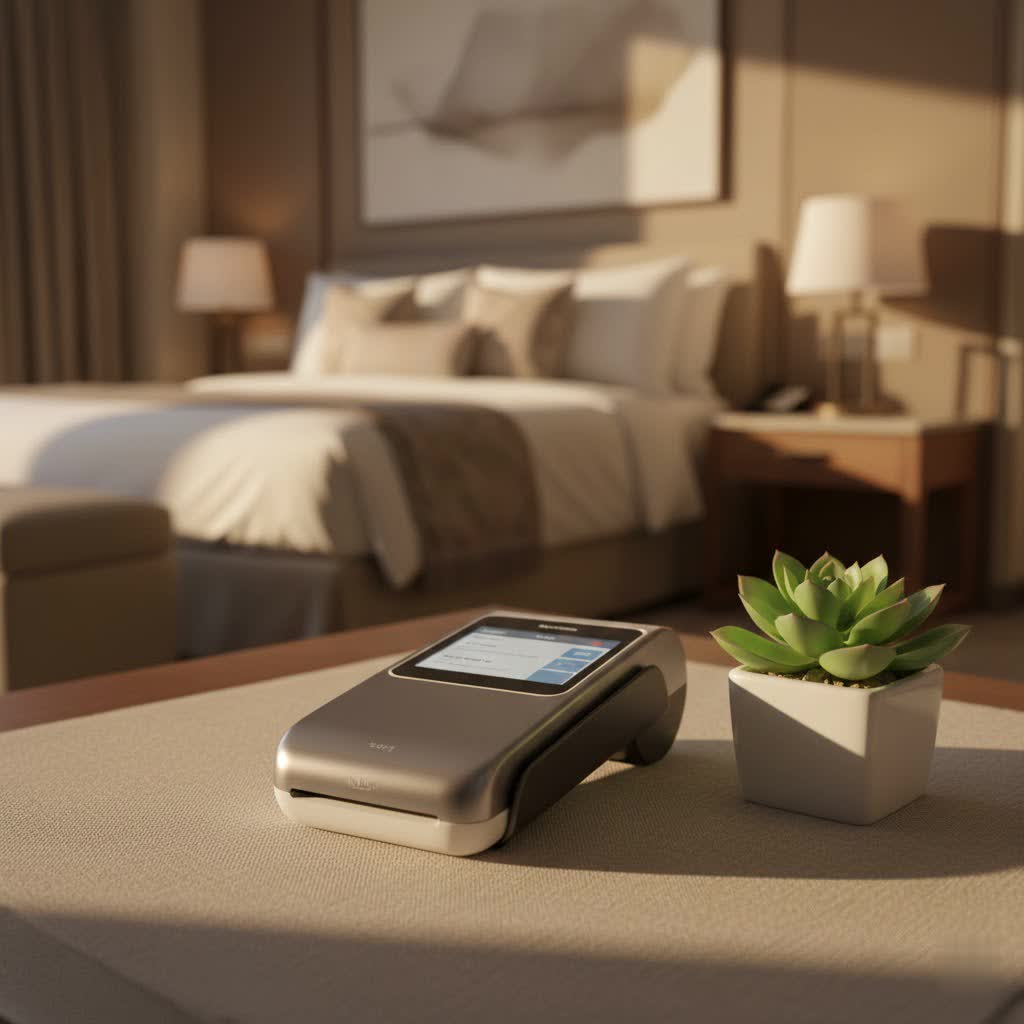
At its core, a digital card reader is an electronic device designed to read (and often write) digital information stored on various types of cards. Forget the days of clunky peripheral attachments for every gadget; today’s digital card reader ecosystem is diverse, streamlined, and more powerful than ever, empowering users to interact with their data securely and efficiently.
What Exactly is a Digital Card Reader? Beyond the Basics
To truly appreciate the value of a digital card reader, let’s peel back the layers of its functionality. Imagine your camera’s tiny SD card or your company’s access badge – these physical items hold valuable digital data. A digital card reader is the translator, the interface that allows your computer, smartphone, or other system to understand and interact with that embedded information. It’s about more than just slots and ports; it’s about enabling seamless data flow, secure transactions, and robust identity verification.
The term “digital card reader” itself has broadened significantly. While it traditionally referred to devices for memory cards, it now encompasses sophisticated smart card readers used for high-security applications, and even innovative mobile apps that transform your smartphone into a payment terminal. It’s a testament to how integral these devices have become in both our personal and professional lives, facilitating everything from uploading vacation photos to safeguarding critical infrastructure.
The Diverse Landscape: Types of Digital Card Readers You Need to Know
The world of digital card readers is far from one-size-fits-all. Each type is meticulously designed to meet specific needs, offering a unique blend of features and capabilities.
Memory Card Readers: The Data Lifeline for Creatives
For anyone who works with digital media, a reliable memory card reader is an indispensable tool. These devices are your gateway to transferring photos, videos, and other large files from your camera, drone, or other recording devices to your computer.
- Common Formats: You’ll find readers for Secure Digital (SD) cards, the ubiquitous standard for cameras; smaller microSD cards used in smartphones and drones; CompactFlash (CF) cards, still favored by some professional cameras; and the newer, ultra-fast CFexpress and XQD cards that are becoming essential for high-resolution video capture.
- Connection Types: The speed of your data transfer often hinges on the connection. Older models might use USB 2.0, but modern digital card readers typically feature USB 3.0 (offering speeds up to 5 Gigabits per second, or Gbps), USB 3.2 Gen 2 (up to 10 Gbps), or even Thunderbolt/USB 4.0 (up to 40 Gbps) for blisteringly fast transfers of massive files. These connections can be via classic USB-A, the reversible USB-C, or the incredibly versatile Thunderbolt ports.
|
Our Picks for the Best Card Reader in 2026
As an Amazon Associate I earn from qualifying purchases.
|
||
| Num | Product | Action |
|---|---|---|
| 1 | USB3.0 Micro SD Card Reader, 5Gbps 2-in-1 SD Card Reader to USB Adapter, Wansurs Memory Card Reader for SDXC, SDHC, MMC, RS-MMC, Micro SDXC, Micro SD, Micro SDHC and UHS-I Cards (1Pack Black) |

|
| 2 | USB C SD Card Reader for iPhone 15/16/17/Mac/iPad,Dual Card Slot Memory Card Reader Supports SD and TF Card Trail Camera Viewer SD Card Adapter Portable Micro SD Card Reader No App Plug and Play |
|
| 3 | SD Card Reader for iPhone, Memory Card Reader with USB Camera Adapter Plug and Play Trail Game Camera Viewer Supports SD and TF Card MicroSD Card Adapter for iPad No App Required |
|
| 4 | SAICOO Smart Card Reader DOD Military USB Common Access CAC Card Reader, Compatible with Mac OS, Win (Horizontal Version) |
|
| 5 | Anker USB C Hub (7-in-1), with 4K HDMI, 85W Power Delivery, USB-C and 2 USB-A 5Gbps Data Ports, microSD and SD Card Reader, for MacBook Air, MacBook Pro, XPS, and More |
|
| 6 | USB C USB3.0 Multi Card Reader for SD, CF, Micro SD, XD, MS Cards - 7 in 1 Adapter Hub for Windows, Mac, Linux, Android |
|
| 7 | Memory Card Reader, BENFEI 4in1 USB 3.0 and USB-C to SD Micro SD MS CF Card Reader Adapter, 4 Cards Simultaneously Read and Write, Compatible with iPhone 15 Series, MacBook Pro/Air 2023, and More |
|
| 8 | SmartQ C368 USB 3.0 Card Reader - Plug & Play, Compatible with Apple & Windows, Supports SD, Micro SD, MS, CF Cards |
|
| 9 | UGREEN SD Card Reader USB 3.0 Card Hub Adapter 5Gbps Read 4 Cards Simultaneously CF, CFI, TF, SDXC, SDHC, SD, MMC, Micro SDXC, Micro SD, Micro SDHC, MS, UHS-I (Black) |
|
| 10 | UGREEN SD Card Reader USB C, USB 3.0 Micro SD Card Reader 2 in 1 Memory Card Reader for MicroSD SDHC SDXC Compatible with PC Computer MacBook Laptop iPad iPhone 17 16 15 Pro/Pro Max |
|
Smart Card Readers: Fortifying Security and Access
Beyond mere data transfer, smart card readers are powerhouses of security and authentication. These digital card readers interact with cards embedded with an integrated circuit chip, carrying encrypted data for identity verification, secure transactions, and controlled access.
- Contact vs. Contactless (NFC/RFID):
- Contact Readers require the card to be physically inserted, making direct electrical contact with the chip. These are common for government IDs like CAC (Common Access Card), some banking applications, and secure login systems.
- Contactless Readers utilize Near Field Communication (NFC) or Radio Frequency Identification (RFID) technology, allowing the card to be simply tapped or waved near the reader without physical insertion. Think public transport passes, tap-to-pay credit cards, and many modern access control systems for buildings and offices.
- Applications: Smart card digital card readers are pivotal in various sectors, from enabling secure single sign-on (SSO) to corporate networks and workstations, managing secure printing, facilitating cashless vending, to controlling physical access to sensitive areas. Some advanced models even incorporate biometric verification, like fingerprint scanning, for an extra layer of security.
Mobile Card Readers & Apps: Commerce on the Move
The rise of smartphones has revolutionized payment processing, with mobile digital card readers and dedicated apps turning virtually any phone or tablet into a point-of-sale (POS) terminal.
- Hardware Attachments: Companies like Square offer compact digital card reader devices that plug into your phone’s audio jack or charging port, allowing you to swipe magnetic stripe cards, insert EMV chip cards, or accept contactless payments via NFC.
- App-Based Solutions: Increasingly, smartphones themselves, using their built-in NFC capabilities and specialized apps (like Apple Pay or Google Pay, or specific merchant apps), can function as digital card readers, enabling tap-to-pay transactions without additional hardware. These apps can also digitize physical cards, like business cards, using OCR (Optical Character Recognition) technology, extracting contact information into your digital contacts.
How Do Digital Card Readers Actually Work Their Magic?
The underlying technology of a digital card reader is all about establishing a secure and efficient communication channel. When a card is inserted or presented, the reader initiates a two-way dialogue with the card’s embedded chip or magnetic stripe.
For memory cards, the digital card reader acts as a conduit, interpreting the file system on the card and allowing your computer to read (and write) data, much like an external hard drive. This process involves the reader transmitting electrical signals to the card, which then responds with the requested data.
With smart cards, the process is more complex and security-focused. The digital card reader communicates with the chip, often engaging in a series of cryptographic challenges to authenticate the card and the user. Data exchanged is typically encrypted to prevent interception or tampering, ensuring the integrity and confidentiality of sensitive information. Whether it’s a contact connection or a contactless NFC/RFID interaction, the goal remains the same: securely accessing and processing the digital data.
Beyond Convenience: The Power of Digital Card Readers in Real-World Applications
The impact of digital card readers extends far beyond their technical specifications. They are enabling crucial advancements across various industries and facets of our daily lives.
Enhancing Workflow for Creatives
For photographers and videographers, speed is paramount. Waiting hours for large RAW image files or 4K/8K video footage to transfer is simply not an option. A high-speed digital card reader, especially those supporting UHS-II SD cards or CFexpress, dramatically cuts down transfer times, allowing creatives to move quickly from shooting to editing. “Modern workflows demand speed and reliability,” states Dr. Anya Sharma, a leading expert in digital data management. “A robust digital card reader is not just a peripheral; it’s a critical component in maintaining efficiency and preventing bottlenecks in creative production.”
Fortifying Security in Business and Government
In environments where security is non-negotiable, smart card digital card readers are the first line of defense. They provide granular control over physical access to buildings, restricted areas, and even individual workstations. By requiring a unique, authenticated card (and sometimes a PIN or biometric scan), these systems log every entry and exit, creating an invaluable audit trail. This is particularly vital in sectors like healthcare and finance, where protecting sensitive data and ensuring compliance with strict regulations is paramount.
Streamlining Payments for Modern Commerce
The ubiquitous digital card reader for payments has reshaped retail and service industries. From small pop-up shops to large retailers, the ability to accept credit and debit card payments anywhere, anytime, has become a standard expectation. Contactless payments, facilitated by NFC digital card readers, offer speed and hygiene, while EMV chip technology provides enhanced fraud protection compared to older magnetic stripe cards. This blend of convenience and security fuels the modern economy.
Personal Data Management and Digitization
Beyond commerce and enterprise, digital card readers also play a role in personal productivity. Memory card readers simplify transferring files from personal cameras or drones. Moreover, innovative apps turn smartphones into digital card readers capable of scanning and digitizing physical business cards, eliminating the need for manual data entry and helping individuals manage their professional networks more effectively.
Choosing Your Perfect Digital Card Reader: A Smart Buyer’s Checklist
Navigating the options for a digital card reader can feel overwhelming, but focusing on a few key factors will help you make the best choice for your needs.
- Compatibility is Key: First and foremost, ensure the digital card reader supports the specific card formats you use (SD, microSD, CFexpress, etc.) and is compatible with your computer’s or device’s ports (USB-A, USB-C, Thunderbolt). Some multi-slot readers offer broad compatibility, which can be a huge convenience if you work with different types of cards.
- Speed Matters: If you’re dealing with large files like 4K videos or high-resolution images, transfer speed is paramount. Look for digital card readers with USB 3.0 or higher interfaces, ideally supporting the latest USB 3.2 Gen 2 or Thunderbolt standards for the fastest possible data transfer rates. Check for UHS-II support if your SD cards are capable of higher speeds.
- Portability & Design: Consider where and how you’ll be using your digital card reader. For on-the-go professionals, a compact, lightweight, and durable reader is essential. For a desktop setup, a more robust, multi-slot reader might be ideal.
- Security Features (for Smart Card Readers): If you require a smart card digital card reader for secure access or authentication, verify its compliance with relevant security standards (e.g., FIPS 201-1 for government use). Features like tamper detection and robust encryption protocols are vital.
- Multi-Functionality: Do you need a single digital card reader that can handle both memory cards and smart cards, or a dedicated device for each purpose? Assess your needs to determine if a versatile “all-in-one” solution is more cost-effective or if specialized readers offer better performance for critical tasks.
Security First: Protecting Your Data with Digital Card Readers
The power of a digital card reader comes with a significant responsibility: data security. Whether it’s financial information, personal identification, or sensitive company data, protecting the information being read or transmitted is paramount.
Modern digital card readers, especially those designed for payments and access control, incorporate advanced security measures. Encryption is a fundamental component, scrambling data at the point of interaction (e.g., swipe or tap) and during transmission to prevent unauthorized interception. Secure communication protocols, such as SSL (Secure Sockets Layer) and AES (Advanced Encryption Standard), ensure that data travels safely between the reader and the system.
For critical applications like access control, some experts recommend hardwired connections over wireless options. While Wi-Fi offers convenience, it can be susceptible to jamming or other wireless attacks, which could compromise security. Furthermore, robust digital card reader systems often feature tamper detection to alert administrators to any unauthorized attempts to manipulate or disable the device, maintaining a strong security posture.
The Future is Digital: Innovations on the Horizon for Card Readers
The evolution of the digital card reader is far from over. We’re seeing continuous innovation aimed at making these devices even faster, more secure, and seamlessly integrated into our digital lives.
One exciting frontier is the deeper integration of biometrics. Imagine smart card digital card readers that combine card authentication with fingerprint, facial, or iris recognition for an even more robust and user-friendly verification process. We’re also likely to see further advancements in mobile integration, with smartphones taking on even more sophisticated card reading capabilities, reducing the need for separate hardware. As data sizes continue to grow, expect future digital card reader standards to push the boundaries of transfer speeds, leveraging new USB and Thunderbolt specifications to handle the ever-increasing demands of high-resolution content creation.
Frequently Asked Questions (FAQ)
What types of memory cards can a digital card reader read?
A versatile digital card reader can read a wide array of memory card formats, including common types like SD (Secure Digital), microSD, CompactFlash (CF), and the newer, high-performance CFexpress and XQD cards. Always check the product specifications to ensure compatibility with your specific cards.
How fast are the latest digital card readers?
The speed of a digital card reader depends heavily on its interface. Modern readers can offer impressive speeds: USB 3.0 provides up to 5 Gbps, USB 3.2 Gen 2 reaches up to 10 Gbps, and the newest USB 3.2 Gen 2×2 can hit 20 Gbps. For ultimate speed, Thunderbolt 3 and 4 digital card readers can achieve up to 40 Gbps, which is ideal for professionals handling massive files like 8K video.
Are contactless digital card readers secure?
Yes, contactless digital card readers are designed with robust security features. They utilize technologies like NFC and RFID with strong encryption protocols to protect data during transmission. This ensures that sensitive information is secured against unauthorized access, making them a safe option for payments and access control.
Can I use a digital card reader with my smartphone?
Absolutely! Many digital card readers are designed to connect directly to smartphones or tablets via USB-C or Lightning ports, allowing for easy data transfer. Additionally, numerous apps can turn your smartphone into a virtual digital card reader for accepting payments or scanning business cards using its camera and NFC capabilities.
What’s the difference between a smart card reader and a memory card reader?
While both are types of digital card readers, their primary functions differ. A memory card reader is mainly used for transferring files (like photos and videos) to and from storage cards (e.g., SD cards). A smart card reader, on the other hand, is designed for security and authentication, reading data from cards with embedded chips for purposes like identity verification, secure payments, and access control.
Conclusion
The digital card reader, in its many forms, is an unsung hero of our digital age. From enabling the breathtaking visuals captured by professional photographers to safeguarding our financial transactions and ensuring secure access to vital infrastructure, its role is increasingly expansive and indispensable. By understanding the different types, how they operate, and what to look for when choosing one, you empower yourself to navigate the digital landscape with greater confidence, efficiency, and security. So, embrace the power of this essential tool, connect your physical world with the digital, and unlock new possibilities.
