Card readers are electronic input devices that interpret and retrieve data from various card-shaped mediums, facilitating secure transactions, identity verification, and data management. These essential tools have evolved significantly over 15 years, from simple magnetic stripe readers to sophisticated multi-functional devices, crucial for personal use, businesses, and robust security systems. Understanding their functions, types, and safe operation is vital for making informed choices in our increasingly digital world.
Understanding the Heart of Transactions: What Exactly is a Card Reader?
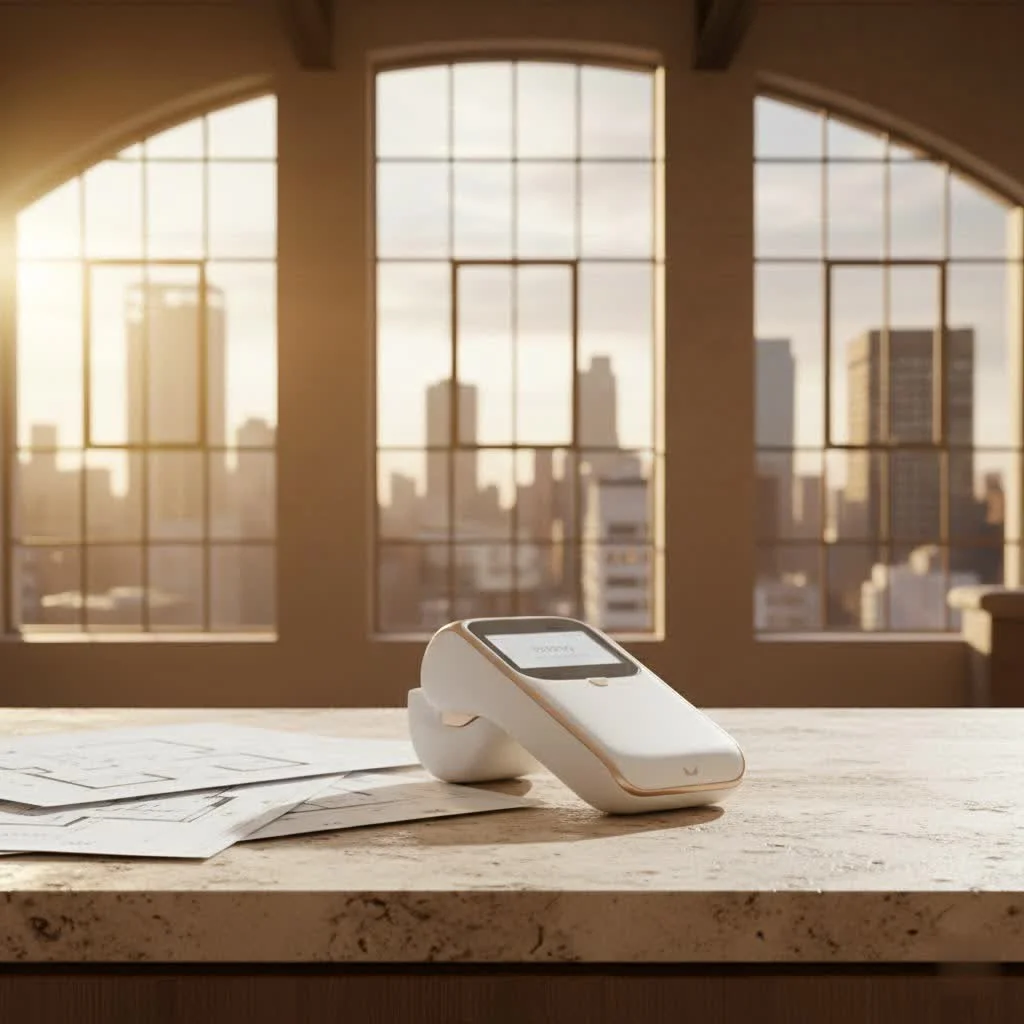
At its core, a card reader is an electronic input device designed to interpret and retrieve data stored on various card-shaped mediums. Think of it as the translator between your physical card and the digital system it needs to communicate with. From the credit card you use at a coffee shop to the access badge that opens your office door, or even the SD card that stores your precious memories, a card reader facilitates the exchange of information. It’s the silent workhorse ensuring your payments go through, your access is granted, and your data is accessible. Without these devices, much of our modern convenience and security infrastructure would grind to a halt.
A World of Options: Exploring Different Types of Card Readers
The term “card reader” is quite broad, encompassing a diverse family of devices, each tailored for specific needs and card technologies. Understanding these differences is key to choosing the right tool for the job.
Magnetic Stripe Readers: The Classic Approach
|
Our Picks for the Best Card Reader in 2026
As an Amazon Associate I earn from qualifying purchases.
|
||
| Num | Product | Action |
|---|---|---|
| 1 | Anker USB C Hub (7-in-1), with 4K HDMI, 85W Power Delivery, USB-C and 2 USB-A 5Gbps Data Ports, microSD and SD Card Reader, for MacBook Air, MacBook Pro, XPS, and More |

|
| 2 | SmartQ C368 USB 3.0 Card Reader - Plug & Play, Compatible with Apple & Windows, Supports SD, Micro SD, MS, CF Cards |
|
| 3 | UGREEN SD Card Reader USB C, USB 3.0 Micro SD Card Reader 2 in 1 Memory Card Reader for MicroSD SDHC SDXC Compatible with PC Computer MacBook Laptop iPad iPhone 17 16 15 Pro/Pro Max |
|
| 4 | USB3.0 Micro SD Card Reader, 5Gbps 2-in-1 SD Card Reader to USB Adapter, Wansurs Memory Card Reader for SDXC, SDHC, MMC, RS-MMC, Micro SDXC, Micro SD, Micro SDHC and UHS-I Cards (1Pack Black) |
|
| 5 | USB C USB3.0 Multi Card Reader for SD, CF, Micro SD, XD, MS Cards - 7 in 1 Adapter Hub for Windows, Mac, Linux, Android |
|
| 6 | Memory Card Reader, BENFEI 4in1 USB 3.0 and USB-C to SD Micro SD MS CF Card Reader Adapter, 4 Cards Simultaneously Read and Write, Compatible with iPhone 15 Series, MacBook Pro/Air 2023, and More |
|
| 7 | SAICOO Smart Card Reader DOD Military USB Common Access CAC Card Reader, Compatible with Mac OS, Win (Horizontal Version) |
|
| 8 | SD Card Reader for iPhone, Memory Card Reader with USB Camera Adapter Plug and Play Trail Game Camera Viewer Supports SD and TF Card MicroSD Card Adapter for iPad No App Required |
|
| 9 | UGREEN SD Card Reader USB 3.0 Card Hub Adapter 5Gbps Read 4 Cards Simultaneously CF, CFI, TF, SDXC, SDHC, SD, MMC, Micro SDXC, Micro SD, Micro SDHC, MS, UHS-I (Black) |
|
| 10 | USB C SD Card Reader for iPhone 15/16/17/Mac/iPad,Dual Card Slot Memory Card Reader Supports SD and TF Card Trail Camera Viewer SD Card Adapter Portable Micro SD Card Reader No App Plug and Play |
|
Remember those early credit cards you’d swiftly swipe through a terminal? Those relied on magnetic stripe readers. These devices read the data encoded on the dark magnetic strip found on the back of many traditional cards. While simple, cost-effective, and compatible with older systems, they are gradually being phased out due to their vulnerability to skimming and limited security features.
Smart Card (EMV Chip) Readers: Enhancing Security with a Chip
Enter the EMV chip card, a game-changer for transaction security. Named after Europay, MasterCard, and Visa, EMV chip cards feature a tiny embedded microchip. When you “dip” your card into a smart card reader, the chip communicates dynamically with the terminal, authenticating the transaction with encrypted data. This process, often combined with a PIN, offers significantly stronger fraud protection compared to magnetic stripes, making it a standard in financial transactions globally.
Contactless & NFC Readers: The Future of Fast Payments
“Tap-to-pay” has become ubiquitous, thanks to contactless and Near Field Communication (NFC) readers. These devices use short-range wireless technology, a subset of Radio Frequency Identification (RFID), to read data from cards, smartphones, or wearables without physical contact. Simply hover your device or card near the reader, and the transaction is processed in seconds. NFC card readers are prized for their speed, convenience, and growing presence in retail, public transport, and various access control applications.
Beyond Payments: Memory Card and ID Readers
Not all card readers are about money. Memory card readers, typically found built into laptops or as USB peripherals, are essential for accessing data from SD cards, CompactFlash cards, and other memory formats used in cameras, drones, and mobile devices. Then there are ID card readers, crucial for verifying identity and controlling access in offices, government facilities, and secure environments, often utilizing magnetic stripe, smart chip, or proximity technologies.
Advanced Security: Biometric and Keypad Readers
For environments demanding the highest levels of security, integrated solutions offer superior protection. Biometric readers combine card authentication with unique physical traits like fingerprints or facial recognition, ensuring the person using the card is indeed the legitimate cardholder. Keypad and card reader combos, on the other hand, require users to present their card and enter a PIN, providing a powerful dual-factor authentication layer, something you’ll often see in high-security entry points.
Mobility Matters: Portable and Countertop Solutions
Card readers also differ in their form factor and mobility. Countertop readers are static devices, often fixed at a point-of-sale in retail stores. Mobile card readers, conversely, are designed for “on-the-go” payments. These compact devices often connect wirelessly via Bluetooth or Wi-Fi to a smartphone or tablet, transforming a mobile device into a portable POS system. They are invaluable for businesses like food trucks, delivery services, and pop-up shops.
The Magic Behind the Swipe/Tap: How Card Readers Actually Work
While the variety of card readers might seem daunting, their underlying principle is consistent: to access information and relay it to a host system. The method, however, is where the magic truly differs.
- Magnetic Stripe Readers: A magnetic head inside the reader detects changes in the magnetic field as the card’s stripe passes over it. This analog information is then converted into digital data for processing.
- EMV Chip Readers: When an EMV card is inserted, the chip and reader engage in a “handshake.” The reader supplies power to the chip, and they communicate encrypted transaction data through a series of electrical contacts. This dynamic communication makes it much harder to intercept or counterfeit card data.
- Contactless/NFC Readers: These rely on electromagnetic fields. The reader generates a radio frequency field, and when a contactless card or NFC-enabled device enters this field, it draws power and transmits its data back to the reader. This process happens almost instantaneously, thanks to protocols like RFID.
- Memory Card Readers: These are essentially specialized USB hubs. When you insert a memory card, the reader provides a physical and electrical interface, allowing your computer to access the card’s file system and read or write data as if it were a standard drive.
As John Sterling, a veteran cybersecurity analyst, often says, “The elegance of a card reader lies in its ability to bridge the physical and digital worlds, transforming a piece of plastic into a key or a currency without you even noticing the complex processes happening in milliseconds.”
Everyday Impact: Where You Encounter Card Readers
Card readers are deeply woven into the fabric of our daily lives, often operating behind the scenes to facilitate convenience and security.
- Retail & Payments: From the smallest boutique to the largest supermarket, card readers are indispensable for processing credit and debit card transactions, supporting magnetic stripe, chip, and contactless payments.
- Banking: ATMs utilize card readers for identity verification and account access, while bank tellers use them for various customer services.
- Access Control: Offices, residential buildings, and secure facilities widely use card readers (for ID badges, key fobs) to control entry, track movement, and enhance physical security.
- Identity Verification: Government agencies and healthcare providers employ card readers to verify identities, access patient records, or validate credentials.
- Public Transportation: Many modern transit systems use contactless card readers for fare collection, allowing commuters to tap their cards or phones for quick boarding.
- Data Transfer: For photographers, videographers, and anyone managing digital files, memory card readers are essential for quickly moving data from cameras and other devices to computers.
Choosing Your Perfect Match: Key Factors When Selecting a Card Reader
Selecting the right card reader isn’t a one-size-fits-all decision. Whether for personal use or business operations, several critical factors should guide your choice.
Security First
This is non-negotiable, especially for payment processing. Look for card readers that offer:
- End-to-End Encryption (P2PE): Encrypts data from the moment it’s read until it reaches the payment processor, protecting against interception.
- Tokenization: Replaces sensitive card data with a unique, non-sensitive “token,” rendering stolen data useless.
- PCI DSS Compliance: Ensures the device adheres to the Payment Card Industry Data Security Standard, a global benchmark for protecting cardholder data.
- EMV Chip & Contactless Support: Essential for modern, secure payment processing, offering dynamic authentication that magnetic stripes lack.
Compatibility & Connectivity
Will it work with your existing setup?
- Device & OS Compatibility: Ensure the reader is compatible with your smartphone, tablet, computer, and operating system (iOS, Android, Windows, macOS).
- POS Integration: For businesses, seamless integration with your Point-of-Sale (POS) system, inventory management, and accounting software is crucial to streamline operations.
- Connection Options: Consider USB (Type-A, Type-C), Bluetooth, Wi-Fi, or even cellular (SIM card) connectivity based on your mobility needs and infrastructure.
Speed & Efficiency
In today’s fast-paced world, nobody likes waiting.
- Transaction Speed: Faster processing times improve customer experience and reduce queue lengths, especially for high-volume businesses. Contactless readers excel here.
- Data Transfer Rates: For memory card readers, high data transfer speeds are vital for professionals dealing with large files.
Portability & Durability
Where and how will you use it?
- Form Factor: Choose between fixed countertop models for stationary use or mobile, lightweight readers for on-the-go flexibility.
- Build Quality: Consider materials like robust plastics or metal alloys for durability, especially in demanding environments.
Ease of Use & Scalability
A complicated device can hinder productivity.
- User Experience: Look for intuitive interfaces, clear indicators, and straightforward operation. Proximity readers, for instance, are exceptionally user-friendly.
- Scalability: For businesses, choose a system that can easily expand with your growth, accommodating more terminals or integrating new technologies.
As a rule of thumb, always prioritize security and compatibility over price. A cheap reader that compromises data can cost you far more in the long run.
Fortifying Your Defenses: Essential Security Practices for Card Readers
Even with advanced technology, security is a shared responsibility. Implementing robust practices is crucial to protect sensitive data and maintain trust.
- Always Update Software & Firmware: Manufacturers frequently release updates to patch vulnerabilities and enhance security. Make it a routine to check for and install these updates.
- Secure Your Network: If your card reader connects wirelessly, always use secure Wi-Fi networks. Avoid public Wi-Fi for transactions and consider Virtual Private Networks (VPNs) for an added layer of protection.
- Physical Inspection is Key: Regularly examine your card readers for any signs of tampering. Look for unfamiliar wires, attached devices (skimmers), or unusual scratches. Train your employees to do the same.
- Implement Strong Authentication: Where available, utilize two-factor authentication (e.g., card + PIN, or card + biometric) to add significant security.
- Employee Training: Your staff are your first line of defense. Educate them on how to spot suspicious behavior, secure card reader handling, and the importance of data protection protocols.
- Maintain Inventory Records: Keep detailed records of your card reader serial numbers and models. This helps in identifying unauthorized replacements or suspicious modifications.
- Comply with PCI DSS: If you process payment cards, adherence to PCI DSS is not just a best practice; it’s a requirement to safeguard cardholder data. Work with providers who offer PCI-validated solutions.
Remember, a secure card reader is like a well-guarded vault for your data. Diligence and awareness are your most effective tools.
The Road Ahead: Innovations Shaping the Future of Card Readers
The world of card readers is far from static. We’re on the cusp of exciting innovations that will further streamline transactions and enhance security. Expect to see greater adoption of:
- Biometric-only Payments: Moving beyond cards, directly using fingerprints or facial recognition at the point of sale.
- QR Code Payments: While not “card” readers in the traditional sense, QR codes offer a digital alternative that many readers are integrating.
- Enhanced Cybersecurity: With threats constantly evolving, card readers will feature even more sophisticated encryption, fraud detection, and anti-tampering technologies.
- IoT Integration: Card readers will become more integrated into the Internet of Things, allowing for smarter, more automated access control and payment systems.
- Universal Readers: Devices capable of reading an even wider array of payment methods and credentials, providing ultimate flexibility.
The future of card readers promises an even more seamless, secure, and integrated experience, making our digital interactions smoother than ever.
Frequently Asked Questions (FAQs)
What is the primary difference between a magnetic stripe reader and an EMV chip reader?
A magnetic stripe reader reads data from a magnetic band by sensing magnetic fields, while an EMV chip reader communicates directly with a microchip embedded in the card, offering superior encryption and dynamic transaction authentication for enhanced security.
Are mobile card readers secure for businesses?
Yes, reputable mobile card readers are highly secure. They typically employ end-to-end encryption and comply with PCI DSS standards to protect transaction data. However, users must ensure they connect via secure Wi-Fi or cellular networks and keep their software updated.
Can a single card reader handle all types of cards?
Many modern card readers, known as hybrid or multi-technology readers, are designed to accept magnetic stripe, EMV chip, and contactless (NFC) payments. This versatility makes them ideal for businesses needing to cater to diverse customer preferences.
What is PCI DSS and why is it important for card readers?
PCI DSS (Payment Card Industry Data Security Standard) is a set of security standards for organizations that handle branded credit cards. For card readers, compliance means the device meets stringent requirements for protecting cardholder data, significantly reducing the risk of data breaches and fraud.
How often should I check my card reader for tampering?
For businesses, it’s a best practice to visually inspect all card readers daily, or even multiple times a day in high-traffic areas, for any suspicious attachments or alterations. Employee training on what to look for is also critical.
Do memory card readers affect the lifespan of my memory cards?
No, a properly functioning memory card reader will not negatively affect the lifespan of your memory cards. They are designed to safely read and write data. Always “eject” or “safely remove” your card before physically disconnecting it to prevent data corruption.
Conclusion
Card readers, in their myriad forms, are indispensable components of our digital infrastructure, enabling everything from secure payments to controlled access and efficient data management. From the enduring legacy of the magnetic stripe to the cutting-edge convenience of NFC, these devices continue to evolve, prioritizing both ease of use and robust security. By understanding the different types, how they function, and the essential security measures to adopt, you empower yourself to make intelligent decisions. At Umaoc, our goal is to equip you with this specialized knowledge, helping you navigate the world of card readers with confidence. So, whether you’re swiping, dipping, or tapping, remember the sophisticated technology at play and always prioritize safety to ensure your interactions are not only efficient but also reliably secure.
How to Secure Your Card Reader
Implementing robust security practices is crucial to protect sensitive data and maintain trust when using card readers.
Manufacturers frequently release updates to patch vulnerabilities and enhance security. Make it a routine to check for and install these updates to ensure your device has the latest protections.
If your card reader connects wirelessly, always use secure Wi-Fi networks. Avoid public Wi-Fi for transactions and consider Virtual Private Networks (VPNs) for an added layer of protection against data interception.
Regularly examine your card readers for any signs of tampering. Look for unfamiliar wires, attached devices (skimmers), or unusual scratches. Train your employees to do the same, especially in high-traffic areas.
Where available, utilize two-factor authentication (e.g., card + PIN, or card + biometric) to add significant security. This creates a powerful dual-factor authentication layer, making unauthorized access much harder.
Your staff are your first line of defense. Educate them on how to spot suspicious behavior, secure card reader handling, and the importance of data protection protocols, including PCI DSS compliance if applicable.

The evolution of card readers over the last 15 years is fascinating, and this guide did a great job explaining it. I remember the clunky old machines! Now, with multi-functional devices, it’s so much easier to manage payments and data. I use a reader that also handles loyalty cards, which is a huge convenience for my retail store. It’s definitely crucial for businesses today.
I’ve been using a Square reader for my small craft business for about a year now, and it’s been a game-changer. The guide really helped me understand why EMV chip readers are so much more secure than the old magstripe ones. I feel a lot more confident processing payments knowing the data is encrypted. Setup was super easy too, which is a huge plus for someone not very tech-savvy.
This guide was pretty informative, especially the part about different types of card readers. I recently got a basic magnetic stripe reader for a pop-up event, and while it worked, I did have a couple of issues with cards not reading on the first swipe. I wish I’d invested in an NFC reader instead, as it seems more reliable and future-proof. It’s a bit frustrating when you’re trying to keep a line moving.
I appreciated the breakdown of how card readers facilitate secure transactions. I always wondered about the tech behind it. My current reader, a mobile one that connects to my phone, has been great for my freelance work. It’s super portable and handles identity verification smoothly when I need it. The explanation of data encryption made me feel better about using it for client payments.