Ever tapped your phone to pay for coffee, scanned an ID badge to enter your office, or seen warehouse workers quickly inventorying goods without a single barcode scan? Behind these everyday marvels lies the unassuming yet powerful Rfid Card Reader. As a seasoned expert in this fascinating field and a content creator for Umaoc.com, I’ve spent over 15 years delving into the intricacies of radio frequency identification, and I’m here to demystify this critical piece of technology for you.
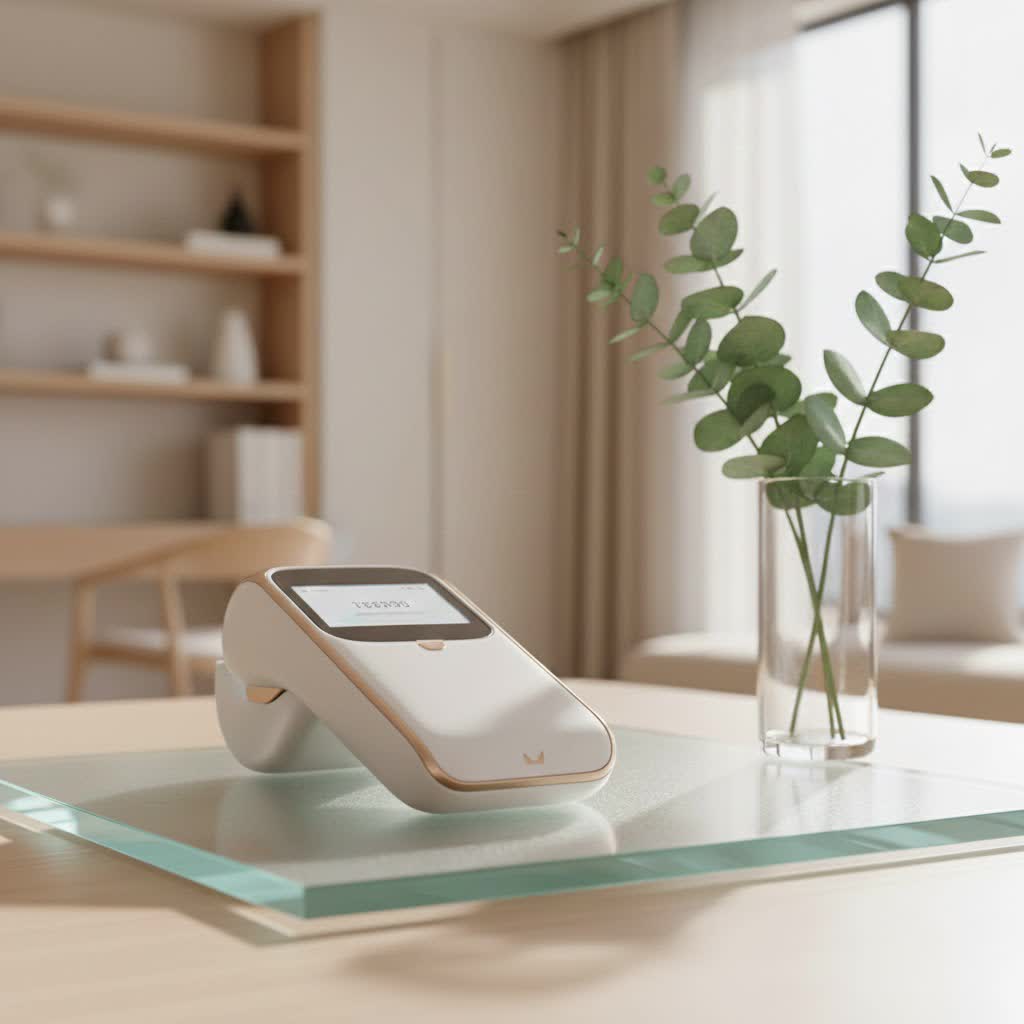
In a world increasingly reliant on instant, contactless interactions, the RFID card reader stands as a pivotal device, enabling everything from secure access to hyper-efficient supply chain management. It’s not just a gadget; it’s the intelligent bridge connecting physical items and digital information, shaping how we move, transact, and manage assets. This article will take you on a deep dive into what RFID card readers are, how they work their magic, the different types available, their myriad applications, crucial security considerations, and how to choose the perfect reader for your needs.
What Exactly is an RFID Card Reader?
At its core, an RFID card reader is an electronic device that plays a vital role in Radio Frequency Identification (RFID) technology. Its primary function is to read—and sometimes write—contactless data stored on RFID tags or cards. Unlike traditional barcode scanners that require a direct line of sight, RFID readers communicate with tags using radio waves, allowing for data exchange at a distance, often through obstacles, and without physical contact. This wireless capability is what makes RFID systems so versatile and efficient across countless sectors.
An RFID system typically comprises three key components: the RFID tag (a small chip with an antenna storing data), the RFID reader (which emits signals and receives data), and a backend system (which processes and verifies the data collected by the reader). Together, these elements form a robust system for automatic identification and data collection.
How Does an RFID Card Reader Work? The Magic Behind the Read
The working principle of an RFID card reader is a blend of physics and clever engineering. It’s based on the generation of an electromagnetic field that powers and activates nearby RFID tags, allowing them to send their stored information back to the reader. This entire process happens in a fraction of a second.
Let’s break down the key steps and components:
Core Components
- Antenna: Both the reader and the tag have an antenna. The reader’s antenna transmits radio signals, while the tag’s antenna captures this energy and transmits data back.
- RF (Radio Frequency) Module: This module is the heart of the reader, responsible for generating the radio signals and receiving responses from the tags.
- Processor/Control Unit: This component decodes the data received from the tag, translates it into a usable format, and transfers it to a connected backend system (like a computer or database).
|
Our Picks for the Best Card Reader in 2026
As an Amazon Associate I earn from qualifying purchases.
|
||
| Num | Product | Action |
|---|---|---|
| 1 | SmartQ C368 USB 3.0 Card Reader - Plug & Play, Compatible with Apple & Windows, Supports SD, Micro SD, MS, CF Cards |

|
| 2 | SAICOO Smart Card Reader DOD Military USB Common Access CAC Card Reader, Compatible with Mac OS, Win (Horizontal Version) |
|
| 3 | UGREEN SD Card Reader USB C, USB 3.0 Micro SD Card Reader 2 in 1 Memory Card Reader for MicroSD SDHC SDXC Compatible with PC Computer MacBook Laptop iPad iPhone 17 16 15 Pro/Pro Max |
|
| 4 | SD Card Reader for iPhone, Memory Card Reader with USB Camera Adapter Plug and Play Trail Game Camera Viewer Supports SD and TF Card MicroSD Card Adapter for iPad No App Required |
|
| 5 | UGREEN SD Card Reader USB 3.0 Card Hub Adapter 5Gbps Read 4 Cards Simultaneously CF, CFI, TF, SDXC, SDHC, SD, MMC, Micro SDXC, Micro SD, Micro SDHC, MS, UHS-I (Black) |
|
| 6 | USB3.0 Micro SD Card Reader, 5Gbps 2-in-1 SD Card Reader to USB Adapter, Wansurs Memory Card Reader for SDXC, SDHC, MMC, RS-MMC, Micro SDXC, Micro SD, Micro SDHC and UHS-I Cards (1Pack Black) |
|
| 7 | USB C USB3.0 Multi Card Reader for SD, CF, Micro SD, XD, MS Cards - 7 in 1 Adapter Hub for Windows, Mac, Linux, Android |
|
| 8 | Anker USB C Hub (7-in-1), with 4K HDMI, 85W Power Delivery, USB-C and 2 USB-A 5Gbps Data Ports, microSD and SD Card Reader, for MacBook Air, MacBook Pro, XPS, and More |
|
| 9 | USB C SD Card Reader for iPhone 15/16/17/Mac/iPad,Dual Card Slot Memory Card Reader Supports SD and TF Card Trail Camera Viewer SD Card Adapter Portable Micro SD Card Reader No App Plug and Play |
|
| 10 | Memory Card Reader, BENFEI 4in1 USB 3.0 and USB-C to SD Micro SD MS CF Card Reader Adapter, 4 Cards Simultaneously Read and Write, Compatible with iPhone 15 Series, MacBook Pro/Air 2023, and More |
|
The Contactless Communication Process
- Signal Emission: The RFID card reader continuously emits radio frequency (RF) signals through its antenna, creating an electromagnetic field around itself.
- Tag Activation: When an RFID tag enters this electromagnetic field, its antenna picks up the signal. For passive RFID tags (which have no internal power source), this absorbed energy is enough to power their microchip. Active tags, with their own battery, are simply activated by the signal.
- Data Transmission: Once activated, the RFID tag modulates the signal with its unique identification number and any other stored data, reflecting it back to the reader.
- Data Processing: The reader’s antenna captures this modulated signal, and its processor decodes the information. This data is then sent to the backend system for verification, storage, or to trigger a specific action, such as unlocking a door or updating an inventory count.
Different frequencies utilize different communication methods. Low-frequency (LF) and high-frequency (HF) RFID systems typically use inductive coupling for energy and data transfer over short distances, while ultra-high frequency (UHF) systems often employ backscatter coupling, allowing for longer read ranges.
Types of RFID Card Readers: Tailoring Technology to Your Needs
Just like tools in a workshop, RFID card readers come in various types, each designed for specific tasks and environments. Understanding these differences is crucial for selecting the right solution.
By Operating Frequency
The operating frequency is a fundamental differentiator, impacting read range, data transfer speed, and resistance to interference.
- Low-Frequency (LF) RFID Readers (125-134 kHz):
- Characteristics: These readers offer a very short read range (typically within 10 cm) but boast excellent penetration capabilities, especially around metal or water. They have slower data transfer rates.
- Typical Uses: Animal identification (pet microchips), access control systems (older proximity cards), car immobilizers.
- High-Frequency (HF) RFID Readers / NFC (13.56 MHz):
- Characteristics: HF readers provide a moderate read range (a few centimeters up to about 1 meter) and higher data transmission rates than LF. This frequency band is globally standardized for various applications, including Near Field Communication (NFC).
- Typical Uses: Contactless payment systems (credit cards, mobile wallets), public transportation passes, e-passports, library systems, secure access control with advanced smart cards.
- Ultra-High Frequency (UHF) RFID Readers (860-960 MHz):
- Characteristics: UHF readers offer the longest read ranges (from several meters up to 30 meters, depending on power and environment) and the fastest data transfer speeds. However, they can be more sensitive to interference from liquids and metals.
- Typical Uses: Large-scale inventory management, supply chain logistics, asset tracking in warehouses and retail, vehicle identification, race timing.
By Form Factor and Application
Beyond frequency, RFID card readers are also categorized by their physical design and how they are deployed.
- Fixed RFID Readers: These are permanently installed in specific locations, such as doorways, conveyor belts, or choke points. They continuously monitor items passing through their read zone, making them ideal for automating entry/exit tracking, inventory flow, and production lines.
- Handheld/Mobile RFID Readers: Portable and often battery-powered, these readers offer flexibility for tasks like stocktaking, asset verification, and field service. They allow operators to move through an environment and scan items individually or in batches. Some advanced models include features like barcode scanning and integrated mobile operating systems.
- Desktop RFID Readers: Compact and typically connected to a PC via USB, these readers are designed for close-proximity interactions. They are commonly used for encoding RFID tags, issuing ID cards, point-of-sale systems, or document tracking.
- Integrated RFID Readers: These readers are embedded within other devices, like smartphones (for NFC), industrial tablets, or specialized machinery, extending their functionality without requiring a separate device.
“Choosing the correct RFID reader frequency and form factor is like picking the right tool for a delicate operation,” says Dr. Anjali Sharma, a leading researcher in secure contactless technologies. “It’s all about matching the reader’s capabilities to the environmental demands and the specific interaction required by your application.”
Key Applications of RFID Card Readers: More Than Just a Swipe
The versatility of RFID card readers has led to their widespread adoption across diverse industries. Here are some of their most impactful applications:
- Access Control & Security: This is one of the most common uses. RFID readers authenticate individuals using ID badges or key fobs, granting or denying entry to buildings, offices, or restricted areas. Modern systems use encrypted RFID cards for enhanced security.
- Inventory Management & Asset Tracking: In warehouses, retail stores, and even hospitals, UHF RFID readers can rapidly scan hundreds of items simultaneously, drastically improving inventory accuracy, reducing manual counting, and streamlining asset location. Think about tracking medical equipment or managing retail stock in real-time.
- Contactless Payments: Many modern credit cards, debit cards, and mobile wallets use HF RFID (NFC) technology. RFID card readers at point-of-sale terminals enable swift, secure, and contactless transactions, replacing traditional card swipes.
- Public Transportation: From metro cards to bus passes, HF RFID readers facilitate quick validation of tickets, speeding up passenger flow and improving efficiency in urban transport systems.
- Time Management: Businesses use RFID readers to track employee attendance, automating clock-in and clock-out processes and providing accurate data for payroll and workforce management.
- Supply Chain & Logistics: From manufacturing plants to distribution centers, RFID readers monitor the movement of goods, providing real-time visibility into the supply chain, reducing errors, and preventing loss.
RFID Card Reader Security: Addressing the Vulnerabilities
While RFID card readers offer incredible convenience and efficiency, it’s crucial to acknowledge and address potential security vulnerabilities. As with any technology handling sensitive data, protection is paramount.
Common Risks
- Skimming/Eavesdropping: Malicious actors can use unauthorized RFID readers to intercept communication between a legitimate tag and reader, potentially stealing data from an RFID card without the holder’s knowledge.
- Cloning/Spoofing: Older or unencrypted 125 kHz RFID cards are particularly vulnerable to cloning. An attacker can easily duplicate the card’s unique ID, creating a fraudulent card to gain unauthorized access. Even some 13.56 MHz cards, like certain generations of Mifare Classic, have shown vulnerabilities.
- Replay Attacks: Intercepted data can be re-transmitted by an attacker to impersonate a legitimate tag or reader, gaining unauthorized access or completing fraudulent transactions.
- Physical Tampering: RFID tags, especially those on products, can sometimes be physically altered or removed, disrupting tracking or security.
- RFID Viruses: While less common than traditional computer viruses, RFID systems can be susceptible to malware that targets backend databases, potentially corrupting or disclosing data stored in tags.
Solutions for Enhanced Security
To mitigate these risks, modern RFID card reader systems incorporate advanced security features:
- Encryption and Mutual Authentication: This is the cornerstone of secure RFID. Encryption scrambles data, making it unreadable to unauthorized parties, while mutual authentication ensures that both the tag and the reader verify each other’s legitimacy before any data exchange occurs.
- Secure Protocols: Upgrading to more secure RFID card technologies like Mifare Plus, iClass, Legic, or DESFire, which offer robust encryption standards and secure memory sectors, significantly enhances protection.
- Two-Factor Authentication (2FA): Combining an RFID card with a PIN code, biometric scan, or mobile credential adds an extra layer of security, especially for high-security areas.
- Physical Security Measures: Ensuring RFID readers are securely installed and tags are tamper-evident can deter physical attacks.
- Regular Software Updates: Keeping both reader firmware and backend system software updated helps patch known vulnerabilities.
- Secure Backend Systems: Protecting the databases and networks connected to RFID readers with firewalls, intrusion detection, and strong access controls is vital.
Choosing the Right RFID Card Reader: A Practical Guide
Selecting the ideal RFID card reader involves carefully matching the technology to your specific operational needs and environment.
- Identify Your Application and Environment: What will you be using the reader for (access control, inventory, payments)? Will it be indoors or outdoors? In a harsh industrial setting or a clean office environment?
- Determine the Required Operating Frequency:
- LF (Low Frequency): Best for short-range, high-penetration needs like animal tracking or specific access cards.
- HF (High Frequency)/NFC: Ideal for medium-range, secure interactions such as contactless payments, public transport, and secure ID.
- UHF (Ultra-High Frequency): Perfect for long-range, rapid scanning of multiple items, like inventory management and logistics.
- Consider the Read Range: How far do you need the reader to communicate with the tags? Short-range for POS systems, or long-range for warehouse asset tracking? This is influenced by the reader’s power output, antenna design, and tag type.
- Check Protocol Support: Ensure the reader supports the necessary industry standards (e.g., ISO 14443 for HF, EPC Gen2 for UHF) to guarantee compatibility with your existing tags or future expansion.
- Evaluate Durability and Environmental Ratings: For challenging environments, look for readers with appropriate IP ratings for dust and water resistance, and robust housing.
- Assess Communication Interfaces: Modern readers offer various connectivity options like USB, Ethernet, Wi-Fi, and Bluetooth, allowing seamless integration with your existing IT infrastructure.
- Power Efficiency: Especially for mobile or handheld readers, battery life is a crucial consideration.
RFID vs. Barcode Scanners: A Quick Edge
While both technologies aim for automatic identification, RFID card readers offer distinct advantages over traditional barcode scanners. RFID allows for non-line-of-sight reading, scanning multiple tags simultaneously (batch reading), and offers greater durability of tags in harsh environments. This often translates to significantly faster and more efficient data collection, particularly in large-scale operations.
Conclusion: Empowering Your World with Smart Connectivity
The RFID card reader is far more than a simple piece of hardware; it’s a foundational element of our increasingly connected, automated world. From the simple tap of a payment card to the complex tracking of millions of inventory items, these devices streamline operations, enhance security, and deliver unprecedented levels of efficiency. As we’ve explored, understanding their diverse types, intricate workings, real-world applications, and vital security measures empowers you to harness this technology safely and effectively.
At Umaoc.com, we believe that informed choices lead to powerful solutions. Whether you’re an industry professional looking to optimize operations or a curious enthusiast eager to understand the tech around you, mastering the nuances of RFID card readers is a valuable step. We encourage you to delve deeper, explore the specific solutions available, and confidently integrate this transformative technology to unlock new possibilities. The future is contactless, and with the right RFID reader, you’re ready to embrace it.
