A mobile phone credit card reader transforms your smartphone or tablet into a portable payment processing hub, enabling businesses to accept various card payments directly through a mobile device. These compact devices offer unparalleled flexibility, enhanced security, and a seamless customer experience, significantly boosting sales and expanding market reach for small businesses and on-the-go entrepreneurs.
Beyond the Basics: What Exactly is a Mobile Phone Credit Card Reader?
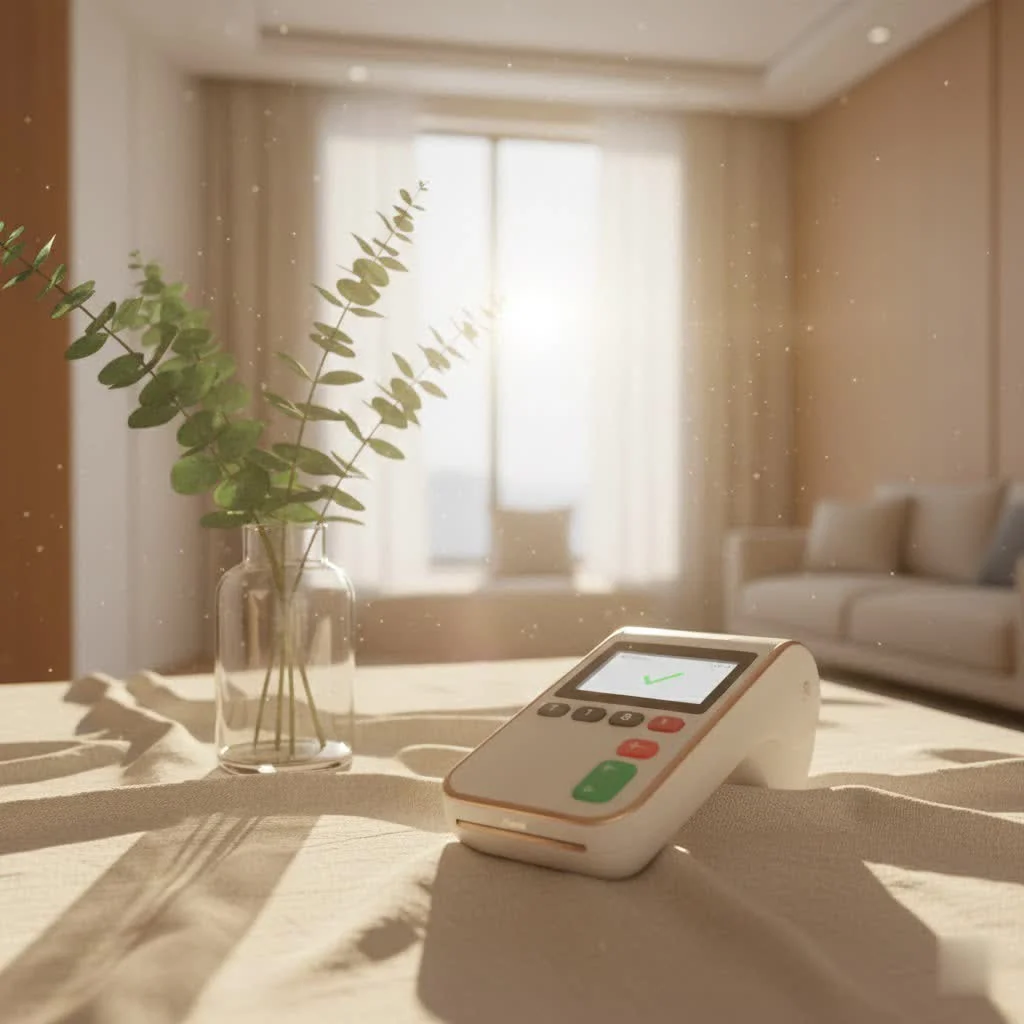
At its core, a mobile phone credit card reader is a portable payment terminal designed to pair with your smartphone or tablet, allowing you to accept various forms of card payments directly through your mobile device. This liberates your business from the confines of a traditional cash register, enabling sales at pop-up markets, during house calls, or at customer tables. These readers come in different forms, from simple dongles that plug into an audio jack to sophisticated Bluetooth-enabled devices and even app-only “Tap to Pay” solutions that leverage your phone’s built-in technology.
How Does This Magic Happen? Understanding the Technology Behind Mobile Card Readers
The technology behind mobile phone credit card readers is designed for both convenience and security. When a customer is ready to pay, the reader captures their card data, and this information is then securely transmitted via a payment app on your smartphone or tablet to a payment processor for authorization.
Here’s a closer look at how these readers handle different payment types:
- Magstripe (Swipe) Readers: These older models read the magnetic strip on the back of a credit card. While still in use, they are generally considered less secure than newer technologies.
- EMV Chip (Dip) Readers: The small, metallic square chip on modern credit cards contains encrypted data that changes with each transaction, making it significantly harder for fraudsters to compromise. You “dip” the card into the reader for this payment method.
- Contactless (Tap) Readers & NFC: These are the fastest and often most secure. Using Near Field Communication (NFC) technology, customers simply tap their EMV chip card or NFC-enabled mobile device (like a smartphone with Apple Pay or Google Pay) on the reader. The NFC chip facilitates a quick, secure connection, transmitting data in a fraction of a second.
The payment app on your device plays a crucial role, acting as the interface for entering transaction details, sending digital receipts, and managing sales. Most modern readers connect wirelessly via Bluetooth, ensuring a clean, cable-free setup. Some cutting-edge solutions even allow your smartphone to function as a reader without extra hardware, utilizing its integrated NFC capabilities for “Tap to Pay” functionality.
Why Your Business Needs One: Unlocking the Benefits of Mobile Credit Card Readers
Integrating a mobile phone credit card reader into your business operations offers a multitude of advantages that can drive growth and enhance customer loyalty.
Unmatched Portability and Flexibility
|
Our Picks for the Best Card Reader in 2026
As an Amazon Associate I earn from qualifying purchases.
|
||
| Num | Product | Action |
|---|---|---|
| 1 | UGREEN SD Card Reader USB C, USB 3.0 Micro SD Card Reader 2 in 1 Memory Card Reader for MicroSD SDHC SDXC Compatible with PC Computer MacBook Laptop iPad iPhone 17 16 15 Pro/Pro Max |

|
| 2 | UGREEN SD Card Reader USB 3.0 Card Hub Adapter 5Gbps Read 4 Cards Simultaneously CF, CFI, TF, SDXC, SDHC, SD, MMC, Micro SDXC, Micro SD, Micro SDHC, MS, UHS-I (Black) |
|
| 3 | SmartQ C368 USB 3.0 Card Reader - Plug & Play, Compatible with Apple & Windows, Supports SD, Micro SD, MS, CF Cards |
|
| 4 | SAICOO Smart Card Reader DOD Military USB Common Access CAC Card Reader, Compatible with Mac OS, Win (Horizontal Version) |
|
| 5 | Memory Card Reader, BENFEI 4in1 USB 3.0 and USB-C to SD Micro SD MS CF Card Reader Adapter, 4 Cards Simultaneously Read and Write, Compatible with iPhone 15 Series, MacBook Pro/Air 2023, and More |
|
| 6 | USB C USB3.0 Multi Card Reader for SD, CF, Micro SD, XD, MS Cards - 7 in 1 Adapter Hub for Windows, Mac, Linux, Android |
|
| 7 | SD Card Reader for iPhone, Memory Card Reader with USB Camera Adapter Plug and Play Trail Game Camera Viewer Supports SD and TF Card MicroSD Card Adapter for iPad No App Required |
|
| 8 | USB C SD Card Reader for iPhone 15/16/17/Mac/iPad,Dual Card Slot Memory Card Reader Supports SD and TF Card Trail Camera Viewer SD Card Adapter Portable Micro SD Card Reader No App Plug and Play |
|
| 9 | USB3.0 Micro SD Card Reader, 5Gbps 2-in-1 SD Card Reader to USB Adapter, Wansurs Memory Card Reader for SDXC, SDHC, MMC, RS-MMC, Micro SDXC, Micro SD, Micro SDHC and UHS-I Cards (1Pack Black) |
|
| 10 | Anker USB C Hub (7-in-1), with 4K HDMI, 85W Power Delivery, USB-C and 2 USB-A 5Gbps Data Ports, microSD and SD Card Reader, for MacBook Air, MacBook Pro, XPS, and More |
|
For businesses on the move, like food trucks, pop-up shops, market vendors, or service professionals making house calls, portability is key. A mobile card reader frees you from the constraints of a physical storefront, allowing you to accept payments wherever your customers are. This flexibility means you never have to miss a sale due to payment limitations.
Boost Sales and Expand Your Market Reach
In an increasingly cashless society, many customers prefer paying with cards or mobile wallets. By accepting these payment methods, you broaden your customer base and cater to modern purchasing habits. Offering diverse payment options can directly lead to increased sales opportunities and allow you to explore new markets.
Elevated Customer Experience and Faster Transactions
Customers appreciate convenience and speed. Mobile card readers significantly reduce checkout times, especially with contactless payments, leading to shorter queues and a more positive overall buying experience. The professional appearance of a dedicated card reader can also build trust, making customers feel more comfortable sharing their payment information than if they were simply dictating numbers to a personal phone.
Cost-Effective Payment Solution
Compared to traditional, bulky point-of-sale (POS) systems, mobile card readers are often a more affordable entry point for small businesses. They typically have lower upfront hardware costs and flexible transaction fee structures, making them an excellent investment for startups and growing enterprises. Furthermore, some credit card processors may charge higher “card-not-present” (CNP) fees for manual entries or virtual terminals; using a mobile reader for “card-present” transactions can result in lower processing rates.
Enhanced Security for Peace of Mind
Security is paramount in payment processing, and modern mobile phone credit card readers are built with robust features to protect sensitive data. They employ advanced encryption and adhere to industry standards, giving both you and your customers peace of mind.
Navigating the Options: Choosing the Right Mobile Phone Credit Card Reader for Your Business
Selecting the ideal mobile phone credit card reader for your business involves considering several factors. It’s not just about picking the cheapest option, but finding a solution that aligns with your operational needs and growth ambitions.
Types of Readers:
- Dongle Readers: These compact devices plug directly into your smartphone’s audio jack. They are often the most basic and affordable, primarily designed for magstripe swipes, though some may support EMV chips.
- Bluetooth Readers: These wireless devices connect to your smartphone or tablet via Bluetooth. They are highly versatile, typically supporting EMV chip, NFC contactless, and sometimes magstripe payments. This type offers greater flexibility as it doesn’t tether your device.
- Standalone Smart Readers: These are all-in-one portable devices that function as a mobile POS system without needing a separate phone or tablet. They often include their own touchscreen, receipt printer, and can connect via Wi-Fi or cellular data.
- “Tap to Pay” Solutions: With this option, your compatible smartphone (iOS or Android) becomes the reader, utilizing its built-in NFC chip to accept contactless payments directly. No additional hardware is required.
Key Features to Consider:
- Compatibility: Ensure the reader and its accompanying app are compatible with your existing smartphone or tablet’s operating system (iOS or Android version).
- Supported Payment Types: Does it handle magstripe, EMV chip, and contactless NFC payments, including popular mobile wallets like Apple Pay and Google Pay? Offering all options maximizes customer convenience.
- Integration with POS/Accounting Software: Many providers offer comprehensive apps that integrate inventory management, sales analytics, and customer relationship tools, streamlining your back-office operations.
- Pricing Structure: Look beyond the initial hardware cost. Understand the transaction fees (percentage per swipe/dip/tap, plus a flat fee), any monthly subscription fees, and potential hidden charges. Some providers offer free readers with competitive transaction rates.
- Battery Life: For on-the-go businesses, a reader with long battery life is crucial to avoid interruptions during busy periods.
- Customer Support: Reliable customer support is essential for resolving any technical issues swiftly, ensuring minimal disruption to your payment processing.
Fortifying Your Funds: Mobile Credit Card Reader Security Explained
The security of financial transactions is a top concern for both merchants and customers. Modern mobile phone credit card readers incorporate several layers of security to safeguard sensitive information.
- EMV Chip Technology: As mentioned, EMV chips generate unique, encrypted data for each transaction, making it extremely difficult for criminals to clone cards or use stolen data.
- NFC and Contactless Payments: Contactless transactions leverage NFC technology, which, like EMV, uses encrypted and dynamic data that changes with every tap. Many mobile wallet payments also require biometric authentication (like a fingerprint or facial scan), adding an extra layer of user verification.
- Tokenization: This advanced security feature replaces sensitive cardholder data with a unique, randomly generated “token” during the transaction. This token is useless to hackers, even if intercepted, as it cannot be reverse-engineered to reveal the actual card details.
- Point-to-Point Encryption (P2PE): P2PE ensures that card data is encrypted from the very moment it is captured by the reader until it reaches the secure payment processor. This end-to-end encryption significantly reduces the risk of data breaches.
- PCI DSS Compliance: All reputable mobile payment solutions adhere to the Payment Card Industry Data Security Standard (PCI DSS). This is a comprehensive set of security requirements designed to protect cardholder data throughout the entire payment ecosystem.
“In the evolving landscape of digital payments, robust security protocols are non-negotiable,” says Dr. Evelyn Reed, a leading cybersecurity expert specializing in financial technology. “Businesses utilizing mobile credit card readers must prioritize solutions that offer multi-layered encryption, tokenization, and strict adherence to PCI DSS to build and maintain customer trust.”
Best Practices for Merchants:
Beyond the technology built into the readers, merchants also play a vital role in maintaining security:
- Secure Network Connections: Always process payments over secure Wi-Fi networks or virtual private networks (VPNs). Avoid public, unsecure Wi-Fi networks.
- Dedicated Devices: Consider using a smartphone or tablet exclusively for business transactions to minimize exposure to other applications or potential malware.
- Software Updates: Keep your payment app and device operating system updated to benefit from the latest security patches.
- Device Management: Implement mobile device management (MDM) solutions for multiple devices, enabling centralized security policy enforcement and remote disabling if a device is lost or stolen.
Popular Choices: Top Mobile Credit Card Readers to Consider
The market offers several excellent mobile phone credit card reader options, each with unique strengths. Some of the most recognized and widely used platforms include:
- Square Reader: Known for its ease of use, transparent pricing, and comprehensive ecosystem, offering various readers from free magstripe to contactless chip readers.
- PayPal Zettle (formerly PayPal Here/iZettle): Integrates seamlessly with PayPal accounts and offers versatile readers that accept multiple payment types.
- SumUp Card Reader: A compact and affordable solution, often favored for its straightforward pricing and no monthly fees for basic services.
- Clover Go: Offers a flexible mobile payment solution that integrates with Clover’s broader POS ecosystem, often allowing merchants to choose their processing provider.
These platforms provide the necessary hardware and powerful accompanying apps to manage transactions, inventory, and reporting, helping businesses thrive.
Embrace the Future of Payments
The mobile phone credit card reader is more than just a gadget; it’s a strategic tool that empowers businesses to adapt to modern consumer habits, expand their reach, and operate with unprecedented flexibility. By understanding how these devices work, their numerous benefits, and the robust security measures they employ, you can confidently select the right solution to streamline your payment processes and unlock new growth opportunities. The future of payments is portable, secure, and right in the palm of your hand.

As a mobile dog groomer, I needed something that was truly portable and could handle payments anywhere. The PayPal Here reader has been perfect. It’s compact, fits right in my pocket, and connects seamlessly to my Android phone. My customers love the flexibility, and I’ve seen a noticeable increase in impulse bookings because I can process payments on the spot.
The Zettle reader works well for the most part, but I’ve had a couple of instances where it disconnected from my tablet mid-transaction, which was a bit awkward. It usually reconnects quickly, but it’s a minor annoyance. The transaction fees are competitive though, and when it’s working smoothly, it’s very efficient for my food truck.
I’ve been using a Square reader for my small craft business for about six months now, and it’s been a game-changer. Setting it up with my iPhone was super easy, and I love how quickly transactions go through. It’s made selling at local markets so much more professional and convenient. Definitely recommend it for anyone needing a reliable mobile payment solution.
I recently started using a mobile reader for my freelance photography business, specifically for on-site bookings. The ability to accept payments directly through my phone has been fantastic for client convenience. I appreciate the enhanced security features mentioned, giving me peace of mind when processing payments outside of a traditional office setting. It’s definitely boosted my professional image.